
 Save
Save
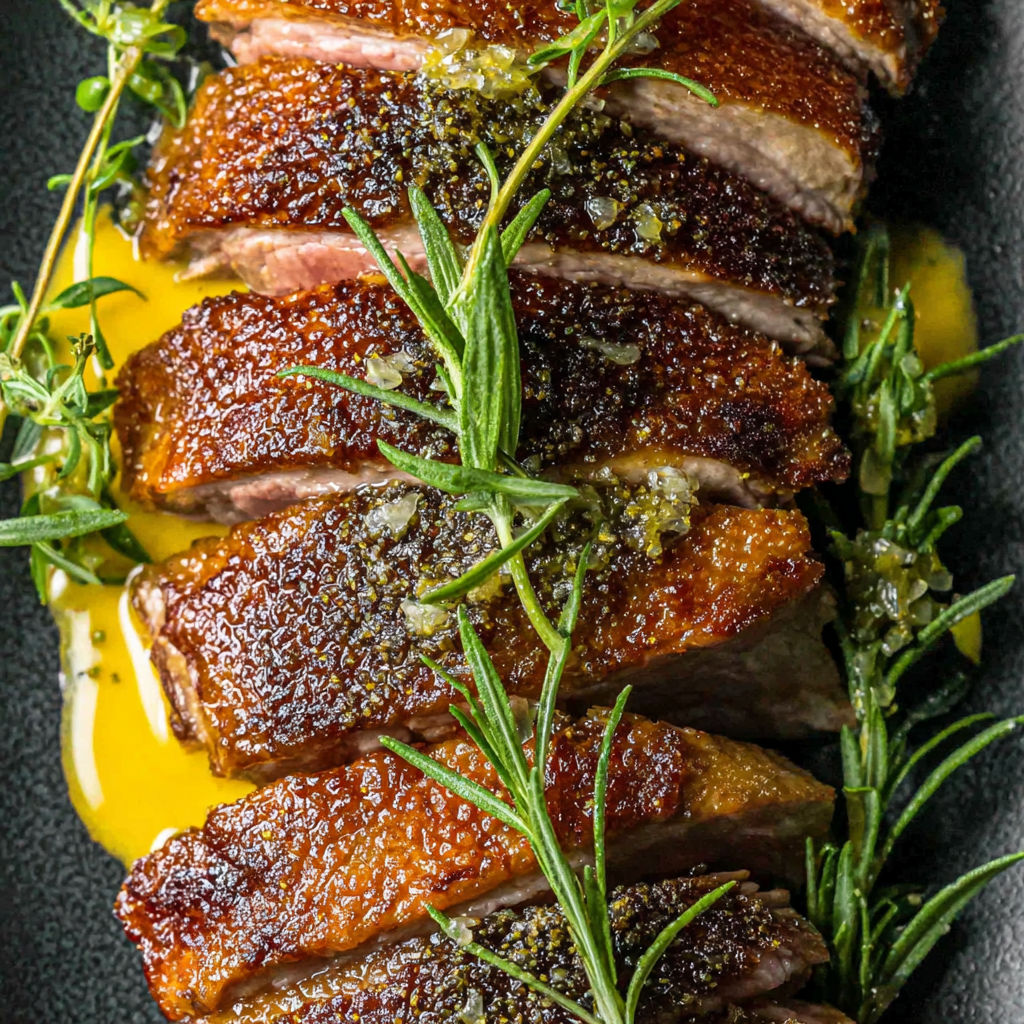
This tea-brined duck breast delivers juicy flavorful meat every single time thanks to an easy black tea brine and a gentle crisping in the skillet. The whole dish feels elegant but is surprisingly approachable even if you have never cooked duck before. It is a staple for special dinners at my house and always gets rave reviews from friends.
I first tried tea brining during a dinner party years ago and was amazed by the gentle earthy depth black tea gave the duck. Since then this easy method has been my go-to for impressive main courses.
Ingredients
- Boneless duck breasts skin on: These are the star look for fresh high-quality meat for best texture
- Brewed black tea: This is the secret to deep flavor choose robust loose-leaf if possible
- Kosher salt: Essential for a good brine use Diamond Crystal for consistent seasoning
- Sugar: Balances salt and rounds out tea aroma regular granulated works well
- Garlic cloves smashed: Infuses the brine with gentle savory notes use fresh
- Fresh thyme sprigs: Adds a woodsy fragrant note you can sub rosemary if needed
- Kosher salt and freshly ground black pepper: For seasoning before cooking opt for flaky sea salt for finishing if you have it
Instructions
- Brine the Duck:
- Combine black tea kosher salt sugar smashed garlic and thyme sprigs in a small saucepan. Heat gently just until the salt and sugar dissolve stirring occasionally. Let the brine cool completely I throw in a handful of ice cubes to speed this up. Place duck breasts in a large zip-top bag or glass container. Pour cooled brine over the duck making sure each breast is submerged. Seal and refrigerate for at least 4 hours or up to overnight for the most flavor.
- Prepare the Duck for Cooking:
- Preheat oven to 350 degrees Fahrenheit or 180 degrees Celsius. Remove duck breasts from the brine and discard the liquid. Pat the duck very dry with paper towels this is key for crispy skin. Using a sharp knife gently score the skin in a criss-cross pattern without cutting into the meat underneath. This allows the fat to render and the skin to crisp evenly. Season both sides of the duck with a generous pinch of kosher salt and freshly ground black pepper.
- Crisp the Skin and Finish in Oven:
- Place a heavy skillet or cast iron pan over medium heat. Add the duck breasts skin-side down without oil. Let them cook undisturbed for 8 to 10 minutes adjusting heat as needed so the skin turns golden and plenty of fat renders out. The goal is deeply crisp skin without burning. Once the skin is brown and most fat has rendered turn duck breasts over and give them just 1 to 2 minutes to sear the other side lightly. Slide the skillet into the oven and roast for 5 to 6 minutes. Use a thermometer to ensure the center reaches about 155 degrees Fahrenheit or 70 degrees Celsius.
- Rest and Slice:
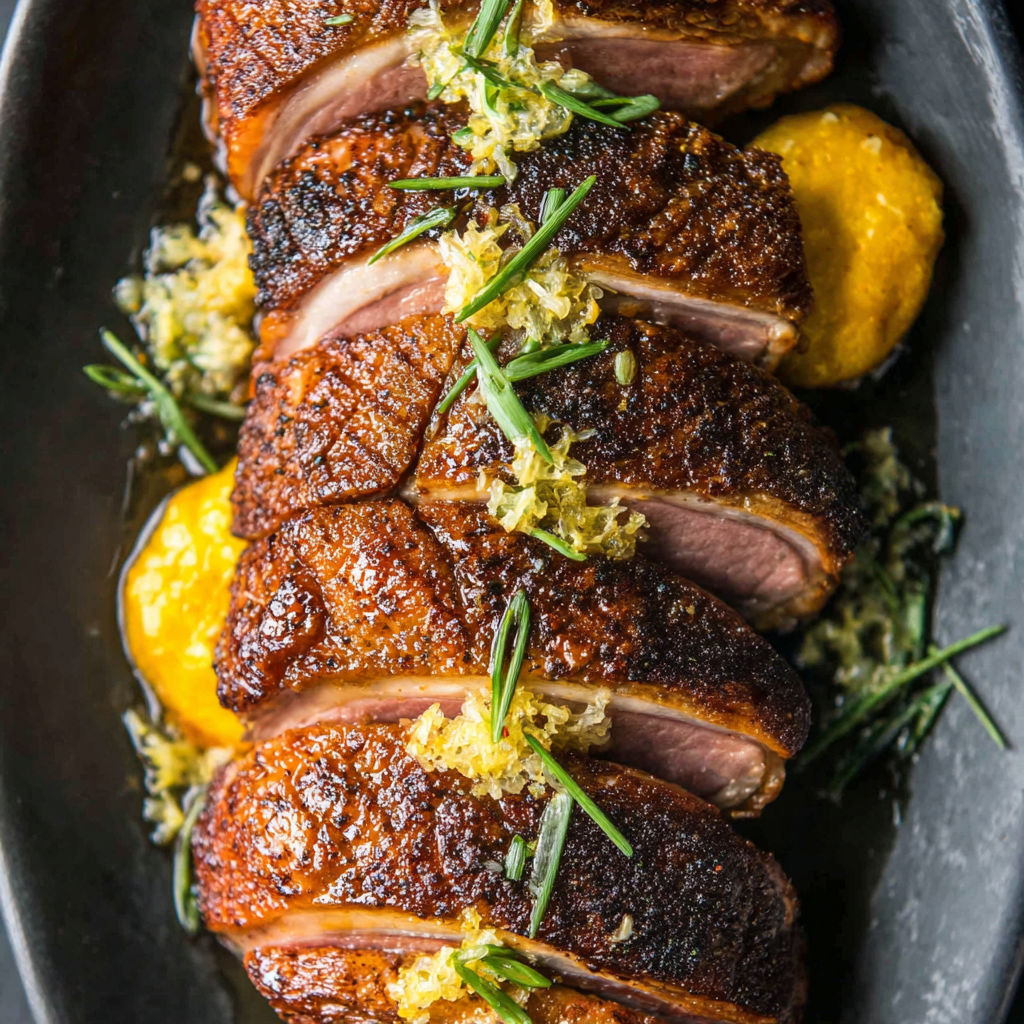
- Transfer duck breasts to a plate and let them rest for about 5 to 7 minutes so the juices are reabsorbed. The temperature will rise to about 165 degrees Fahrenheit or 75 degrees Celsius. Slice thinly and serve as desired.
Duck was my dad’s favorite dinner to order at restaurants so learning how to cook it at home felt like conquering a mountain. Now I love making this with my daughter as a Sunday ritual and teaching her about classic flavor combinations.
Storage Tips
Store leftovers in an airtight container in the fridge for up to 3 days. For best texture slice only what you plan to eat and leave the rest whole. To reheat place slices skin-side down in a skillet for a minute to revive the crispness then warm through in the oven. Avoid microwaving which softens the skin.
Ingredient Substitutions
Try rosemary or sage instead of thyme for a different herbal note. For the tea you can experiment with smoky lapsang souchong for a more dramatic flavor or use green tea for a milder variation. Honey or light brown sugar both work in place of white sugar. If duck is hard to find chicken thighs with skin can be swapped with surprisingly tasty results.
Serving Suggestions
This makes a gorgeous main course over a bed of arugula or bitter greens with citrus slices. I love serving it with sauteed kumquats or just a drizzle of warmed orange marmalade on the side. For a hearty winter meal try roasted root vegetables or a wild rice pilaf.
Cultural and Seasonal Notes
Brining meats has roots in both European and Asian cooking. Duck with tea is a classic Chinese pairing but here the flavors are subtle and modern. In the cooler months the brine works wonders at keeping lean meats juicy. In spring I add lemon zest to the brine for brightness.
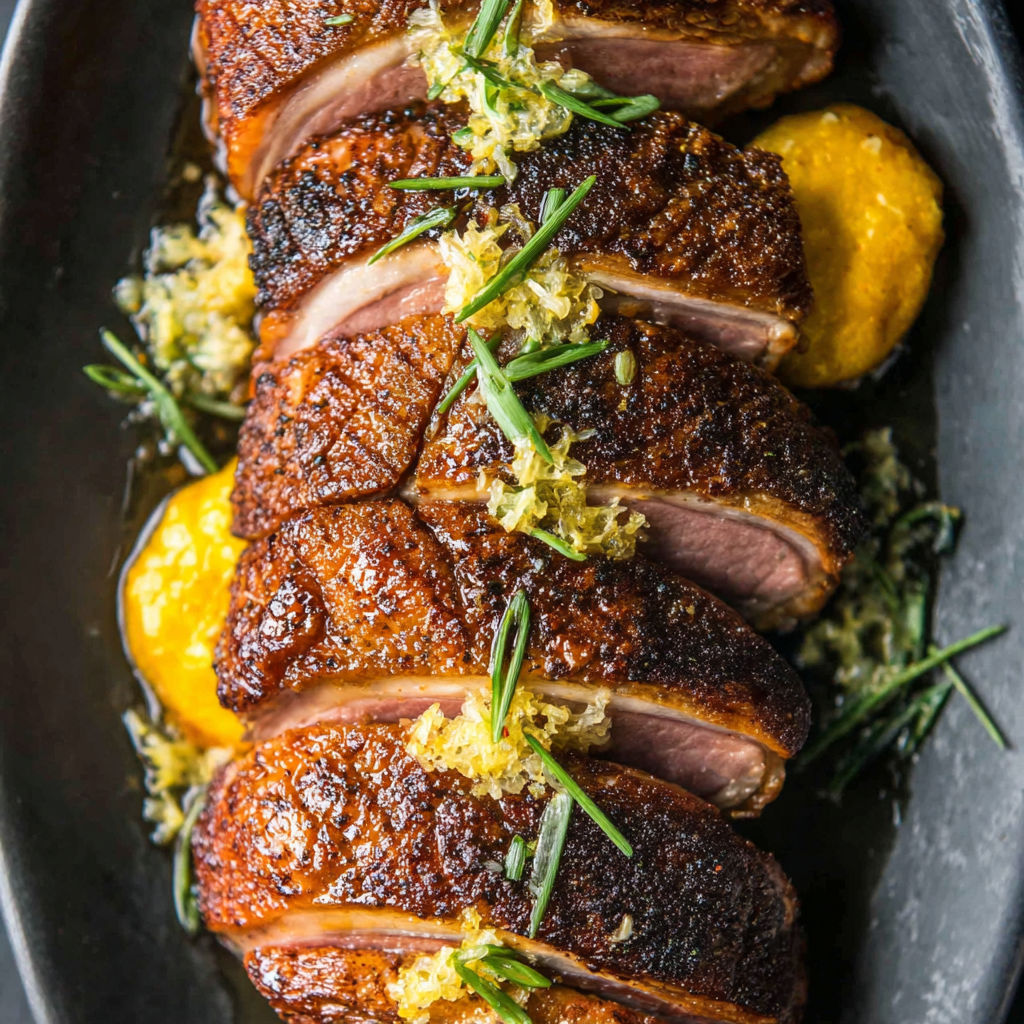
Tea brining makes duck accessible for home cooks while delivering impressive results. This is a dish to savor and share with loved ones.
Common Recipe Questions
- → Why use black tea for brining duck breast?
Black tea lends subtle earthiness and a slight tannic flavor, while helping tenderize the meat for juicier texture.
- → How long should duck breast stay in the brine?
Brining for four hours is effective, but overnight allows deeper flavor and better moisture retention in the duck.
- → What is the benefit of scoring the duck skin?
Scoring encourages more fat to render from the skin and helps it crisp up evenly during cooking.
- → When should duck breast be removed from the heat?
Remove from the oven at 155°F; the temperature will rise as it rests, ensuring juicy slices without overcooking.
- → Which sides pair well with tea-brined duck?
Pair thinly sliced duck with salad greens, sautéed kumquats, or a spoon of warmed orange marmalade for balance.