
 Save
Save
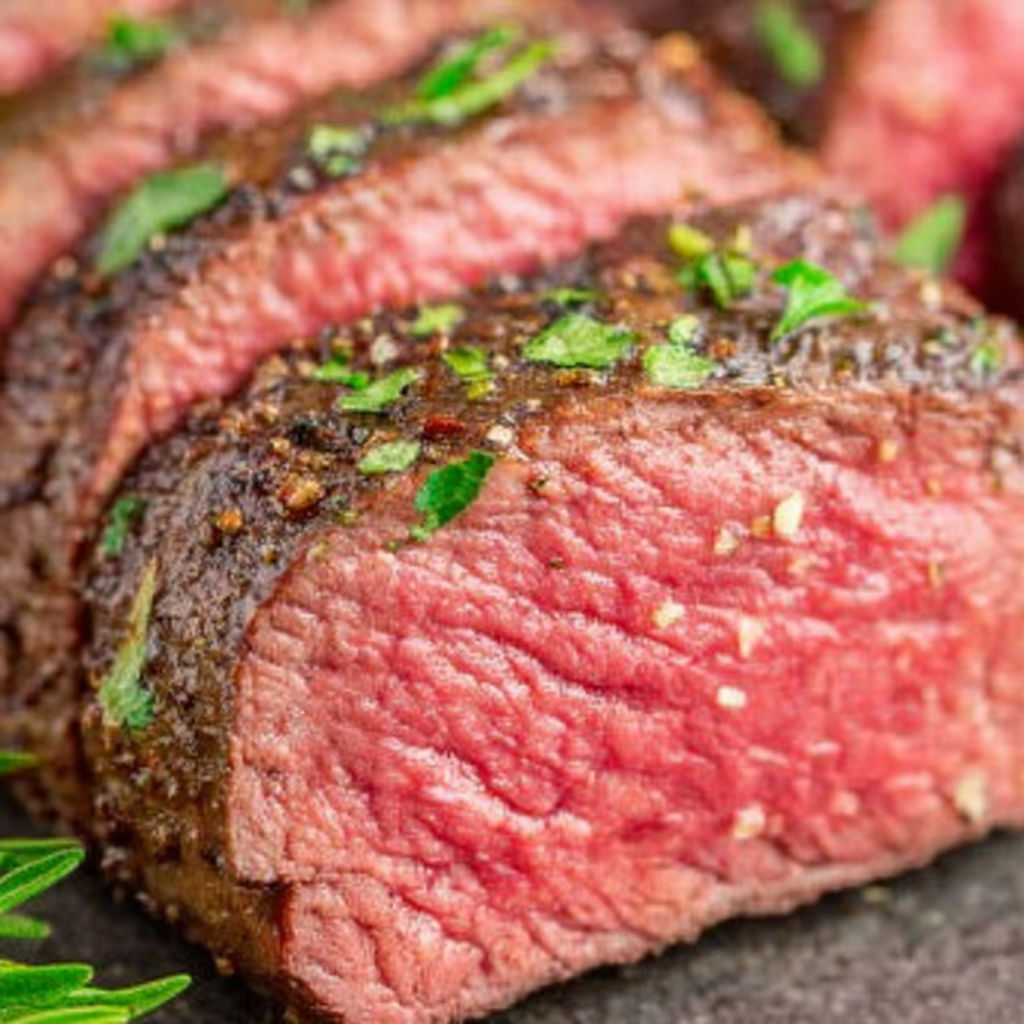
Venison backstrap is a true showcase for wild game—tender, naturally flavorful, and perfectly suited to a simple preparation that honors both the meat and the hunter’s effort. This recipe walks you through how to achieve a caramelized crust and juicy interior, finished with fragrant garlic butter to complement, not overpower, the venison. Whether you are new to cooking wild game or looking for a new favorite, this dish is a celebration of a special cut.
I first learned to cook backstrap after my uncle shared his hunt with us. Now I make this version every autumn—the rich aroma fills the kitchen and everyone circles the table before it even hits their plates.
Ingredients
- Venison backstrap: about one and a half to two pounds a prized cut for tenderness and flavor always ask your butcher for fresh and wild-sourced if possible
- Canola oil: for searing thanks to its high smoke point and neutral taste
- Sea salt: for seasoning and to help draw out surface moisture
- Coarse black pepper: adds gentle heat choose freshly cracked for best aroma
- Paprika: gives warmth and deep color I prefer a sweet Spanish variety
- Garlic powder: intensifies the allium flavor effortlessly
- Onion powder: another layer of savory depth always check for freshness as it can clump over time
- Garlic cloves: for the butter sauce fresh garlic is key for an aromatic finish
- Unsalted butter: forms the base of the pan sauce pick high-quality creamy butter for richness
- Fresh parsley: brings brightness and subtle bitterness chop just before using to maximize flavor
- Extra sea salt to taste: for balancing the sauce
Instructions
- Prep the Rub:
- Mix the sea salt black pepper paprika garlic powder and onion powder thoroughly in a small bowl to ensure even distribution when seasoning.
- Season the Backstrap:
- Pat the venison backstrap dry with paper towels. Rub the seasoning mix over all sides pressing gently so it adheres. If possible season forty minutes to one day ahead and refrigerate uncovered for deeper flavor penetration and better crust.
- Bring to Temperature:
- Before cooking let the seasoned backstrap sit at room temperature for at least one hour if previously refrigerated. This ensures even cooking.
- Preheat Equipment:
- Set your oven to three hundred seventy five degrees Fahrenheit. Place a dry cast iron skillet on the stovetop and heat over high until almost smoking. Cast iron is essential for getting an even sear and ovenfinish.
- Dry the Meat Again:
- Right before cooking pat the meat dry again with paper towels. Any moisture left will steam the meat and prevent browning.
- Sear the Backstrap:
- Pour canola oil into the hot skillet and swirl to coat. When the oil shimmers carefully lay the backstrap in the skillet. Cook on high or medium high adjusting as needed. Sear for two to three minutes without moving—turn only when the meat releases easily from the pan. Repeat for all sides to create a flavorful crust.
- Finish in the Oven:
- Once well-browned move the skillet with the meat into the preheated oven. Roast for five to ten minutes checking with an instant read thermometer. Pull the meat when it registers one hundred twenty to one hundred thirty degrees Fahrenheit for medium rare.
- Rest the Meat:
- Transfer the backstrap to a plate and let it rest uncovered for five to fifteen minutes. The internal temperature will gently rise and the juices will redistribute making it juicy not dry.
- Make the Garlic Butter Sauce:
- Return your pan with drippings to the stove over medium low. Add butter minced garlic fresh parsley and a pinch of salt. Scrape up browned bits with a wooden spatula. Cook until garlic is softened and aromatic about one to three minutes then remove from heat.
- Serve and Garnish:
- Slice the rested backstrap into one to one and a half inch medallions. Spoon garlic butter sauce over the slices and sprinkle with fresh parsley. Serve immediately for peak tenderness.
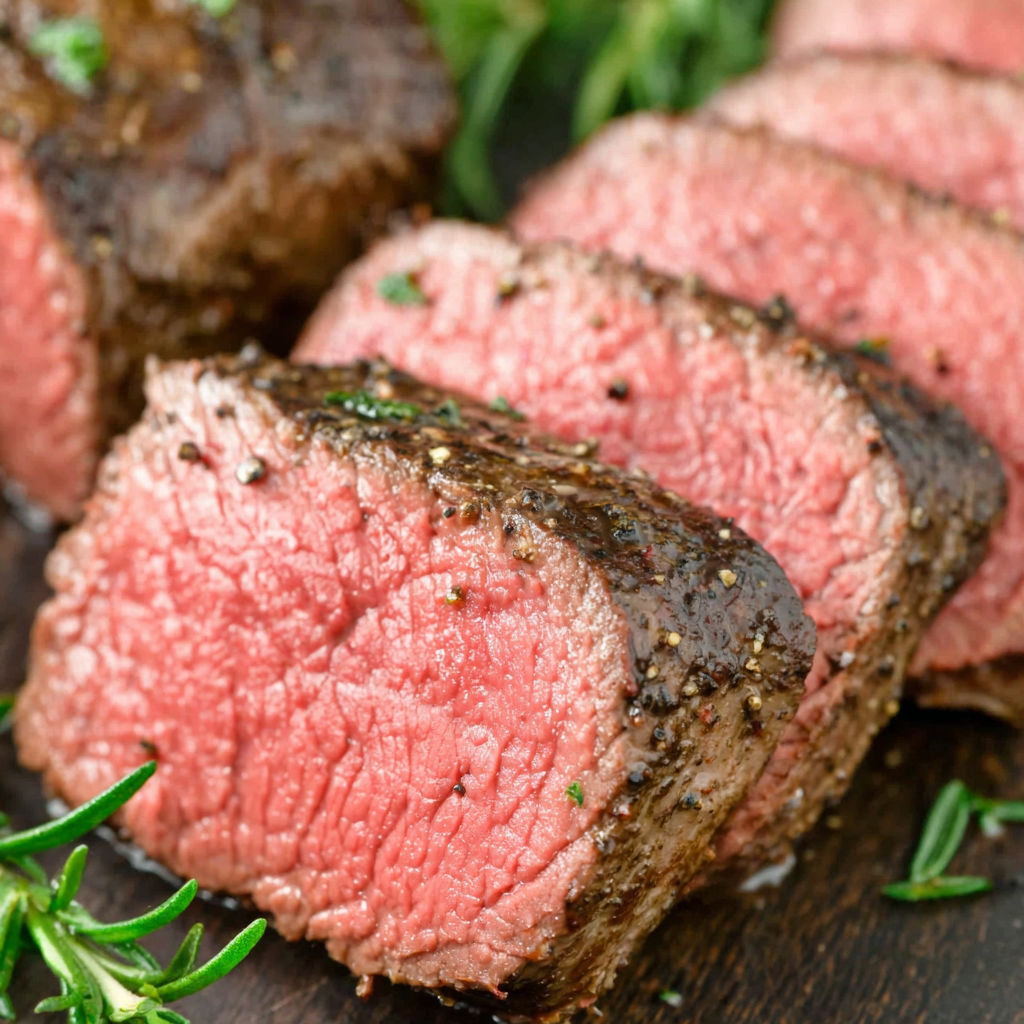
Venison backstrap holds a special place in our family meals. The first time I brought home this cut my dad showed me step by step how to honor it—no shortcuts no fussy sauces. Every slice now reminds me of that patient lesson at the stove and I always set aside the end pieces for him.
Storage Tips
Cool leftover venison quickly and refrigerate in an airtight container. The flavor mellows after a day and can be delicious sliced over salads. Always reheat gently to preserve tenderness. Venison is best within two days of cooking.
Ingredient Substitutions
If you do not have canola oil opt for grapeseed or sunflower oil both withstand high heat and let the meat’s flavor shine. Sweet smoked paprika will add an extra layer of depth if you like. No fresh parsley Use chives for a milder herb note.
Serving Suggestions
Venison backstrap shines when paired with lightly roasted root vegetables or a crisp green salad. Creamy mashed potatoes or wild rice make the meal feel hearty and comforting. For wine lovers an earthy pinot noir brings out its best.
Cultural and Historical Context
Venison has a long history as a celebratory dish in North America especially among families who hunt or source local game. Preparing the backstrap as a whole roast is both practical and symbolic—it is often the centerpiece at gatherings and is a nod to nose-to-tail cooking and respecting the animal.
Seasonal Adaptations
Roast root vegetables in autumn for a cozy side In summer serve backstrap over arugula with fresh berry vinaigrette During winter add a spoonful of cranberry or cherry compote for bright contrast
Success Stories
Many first-time game cooks say this recipe gave them the confidence to try new cuts after years of sticking to beef or pork. One friend now makes it her signature holiday main and serves it alongside her grandmother’s traditional sides.
Freezer Meal Conversion
If preparing in advance freeze the seasoned but uncooked backstrap in a vacuum-sealed bag. Thaw overnight in the fridge then follow the instructions from the searing step. Avoid freezing after cooking to keep the texture tender.
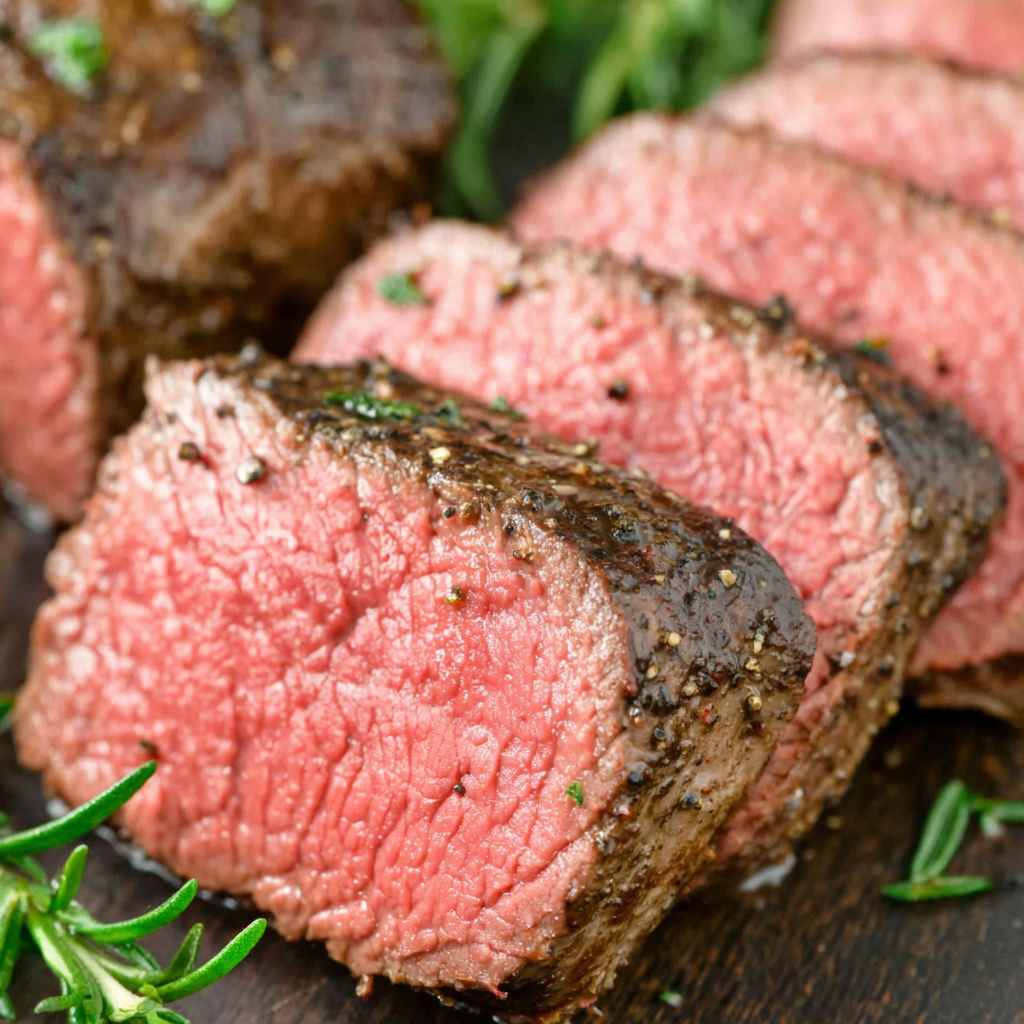
This recipe is all about honoring a special ingredient with care and simplicity. Enjoy every juicy bite and share it proudly with those you love.
Common Recipe Questions
- → How do I ensure venison backstrap stays tender?
Sear it quickly on high heat, avoid overcooking, and rest the meat after baking for juicy results.
- → Can I use frozen venison for this dish?
Yes, just thaw fully in the fridge overnight and let it sit at room temperature before cooking.
- → What is the ideal internal temperature for medium-rare backstrap?
Aim for 130-135°F (54-57°C) after resting for perfect medium-rare doneness and a tender texture.
- → Why is a dry surface important before searing?
Patting the meat dry helps form a flavorful crust and improves browning for optimal flavor.
- → Which pan works best for this cooking method?
A cast iron skillet holds heat well and allows seamless transfer from stovetop to oven baking.
- → How should leftovers be stored?
Let the meat cool completely, then refrigerate in an airtight container for up to two days.