
 Save
Save
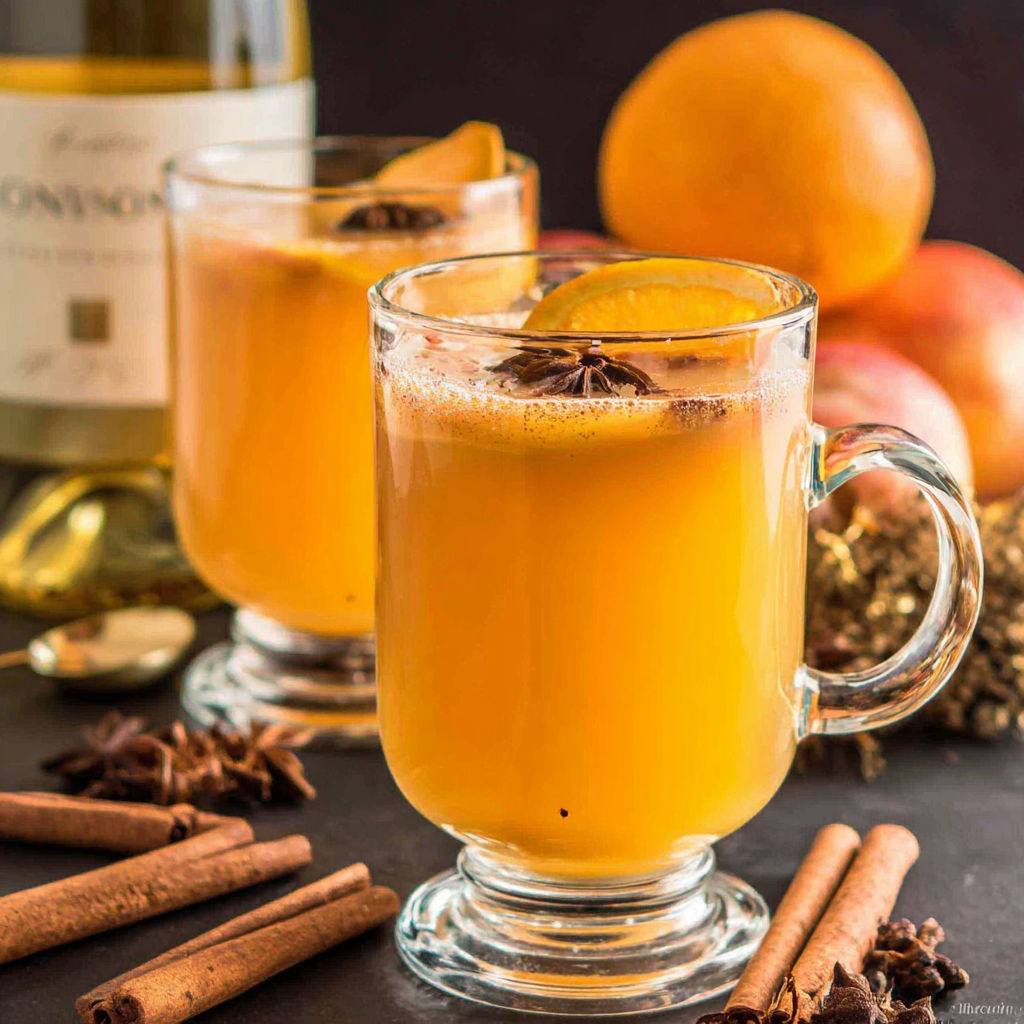
When winter gatherings call for something warm and cozy—but you want a break from traditional red mulled wine—this recipe for mulled white wine is your answer. Using bright fruit, whole spices, and a dash of honey or maple syrup, this festive beverage is perfect for parties or curling up with a book on a chilly evening.
I first tried mulled white wine for a friendsgiving when a guest could not drink reds, and it turned out to be the star of the night—its delicate flavors made everyone ask for seconds.
Ingredients
- Apple sliced in rounds: The apple brings mellow sweetness that balances the spices well. Pick a crisp variety
- Orange sliced in rounds: Use for bright citrus flavor. Navel oranges are best as they have few seeds
- Lemon sliced in rounds: Adds zing, though you can reduce or skip for milder citrus. Go for thin-skinned lemons
- Cinnamon sticks: Impart warmth and a classic mulled flavor. Ceylon cinnamon offers a more subtle aroma
- Whole cloves: Sweet, spicy notes that layer in complexity. Fresh whole cloves deliver the best punch
- Cardamom pods: Create a light floral aroma and gentle spice. Always bruise pods before adding to unlock flavor
- Star anise: Lends beautiful licorice flavor and striking garnish. Look for whole unbroken stars
- Dry white wine: Such as an unoaked chardonnay or similar. A crisp, slightly fruity bottle with no oaky notes works best
- Rum: Deepens the profile and makes it extra cozy. Any light or golden rum that is smooth will do
- Honey or maple syrup: Sweetens plus adds subtle floral or caramel notes. Raw local honey or pure maple syrup is best
- Fresh orange juice: A touch of extra juice brightens and rounds out the drink
Instructions
- Prepare Citrus and Spices:
- Slice the apple, orange, and lemon in rounds, making sure the citrus pits are removed. Gently bruise the cardamom pods with a knife. This step ensures the fruit and spices fully infuse the wine.
- Combine in Saucepan:
- In a medium nonreactive saucepan, combine all fruit slices, cinnamon sticks, cloves, cardamom pods, star anise, the white wine, the rum, honey or maple syrup, and orange juice. Make sure the pan is roomy enough for the ingredients to move around as they heat.
- Heat Gently:
- Set the pan over mediumlow heat. Bring the mixture to a gentle simmer. Watch carefully, do not let it reach a boil as this can cook off the alcohol and make the wine harsh. Let it simmer gently for 15 to 30 minutes depending on your desired intensity of spice.
- Taste and Adjust:
- After simmering, taste the wine and adjust sweetness by adding a splash more honey or maple syrup if needed. You can remove a few citrus slices if you prefer a softer flavor.
- Serve Warm:
- Ladle the mulled wine through a fine mesh strainer into heatproof mugs or glasses. Garnish each serving with fresh fruit slices or a star anise pod for a festive look.
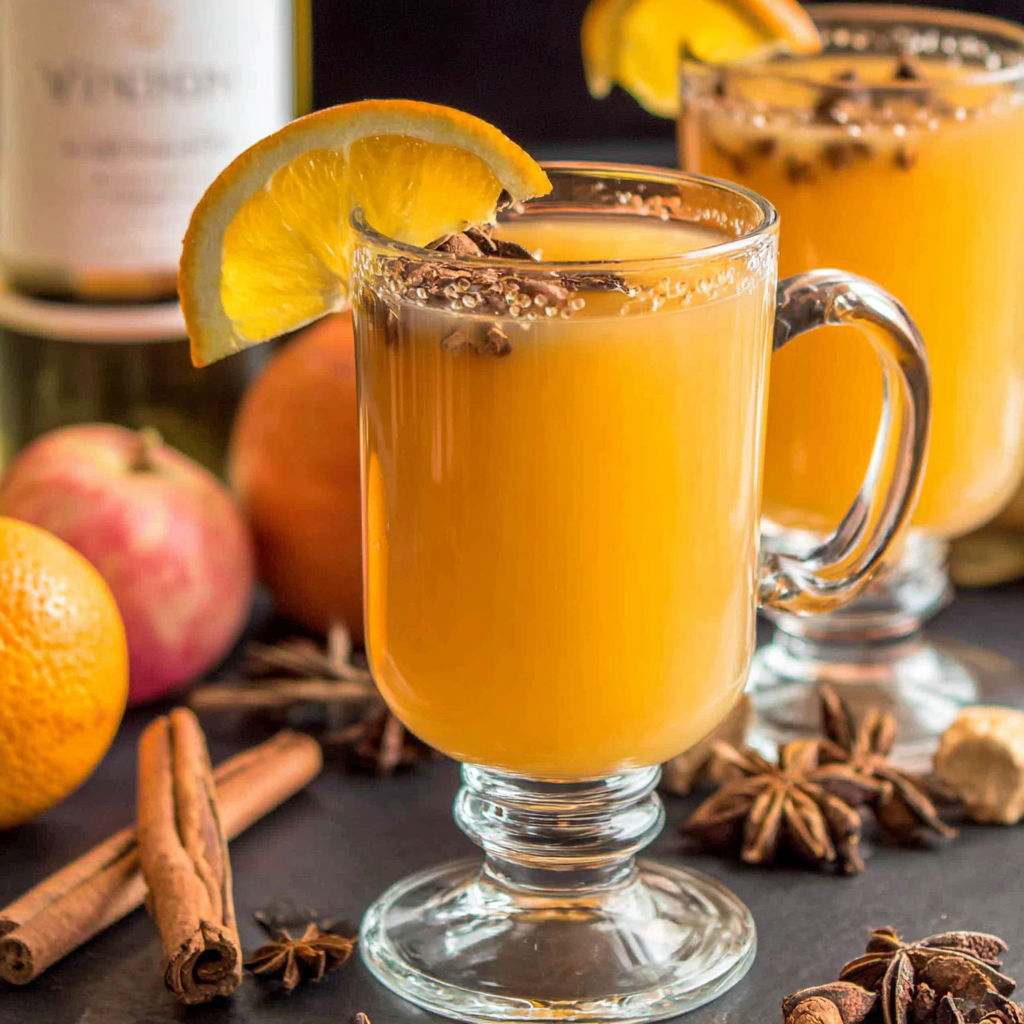
The whole star anise is my favorite ingredient for both flavor and appearance. My nephew always insists on fishing out the star from his mug and holding it up before taking a sip, making mulled wine an instant holiday tradition for us
Storage Tips
Mulled white wine is best enjoyed freshly made but you can store leftovers in a glass jar in the fridge for up to two days. Reheat gently over low heat, do not boil or microwave directly. The delicate flavor develops even more overnight.
Ingredient Substitutions
If you are out of rum, try using brandy or even a touch of bourbon. If you are avoiding honey, maple syrup or agave are tasty options. Not a fan of star anise, just leave it out or use a little more cinnamon. For an alcoholfree version, use sparkling apple juice in place of wine and omit the rum.
Serving Suggestions
Mulled white wine pairs perfectly with gingerbread cookies or fruit tarts. It is also beautiful for brunch gatherings or winter book clubs. For a fancy touch try serving it in glass mugs with extra thin citrus wheels and a cinnamon stick stirrer.
Cultural Context
While mulled wine is traced mostly to European winter markets, white wine versions have grown popular in snowy regions where lighter flavors are valued. For many families it is as much a part of holiday tradition as the tree or the first snowfall.
Seasonal Adaptations
Use Meyer lemons or blood oranges when in season. Add a few slices of fresh pear or a sprig of rosemary for a springier feel. In summer, serve chilled over ice with fewer spices for a cool twist.
Success Stories
A friend once used this recipe as a makeahead punch for her holiday party and said guests returned for seconds and thirds. It was also a hit at a wedding rehearsal dinner where the couple wanted a nontraditional festive beverage option.
Freezer Meal Conversion
Mulled wine does not freeze well because the alcohol content changes texture. After simmering you can freeze the infused fruit separately to reuse in seltzer or soft drinks for a future party.
Savor this cozy mulled white wine for any wintry gathering. Its light, festive twist will soon become a new holiday tradition.
Common Recipe Questions
- → Which white wine works best for this drink?
An unoaked, slightly fruity white wine is ideal—oaked Chardonnay may become bitter when heated.
- → Can I use different sweeteners?
Yes, both honey and maple syrup are excellent. Adjust to taste for your preferred sweetness level.
- → Is it necessary to add rum?
Rum adds depth but is optional. You can omit or substitute with brandy for a different flavor profile.
- → How do I avoid bitterness from citrus?
Add lemon and orange slices towards the end of simmering or reduce lemon for a gentler citrus note.
- → Can I make this ahead and keep it warm?
Keep on low heat for up to 1 hour but avoid prolonged simmering to preserve the delicate wine flavor.