
 Save
Save
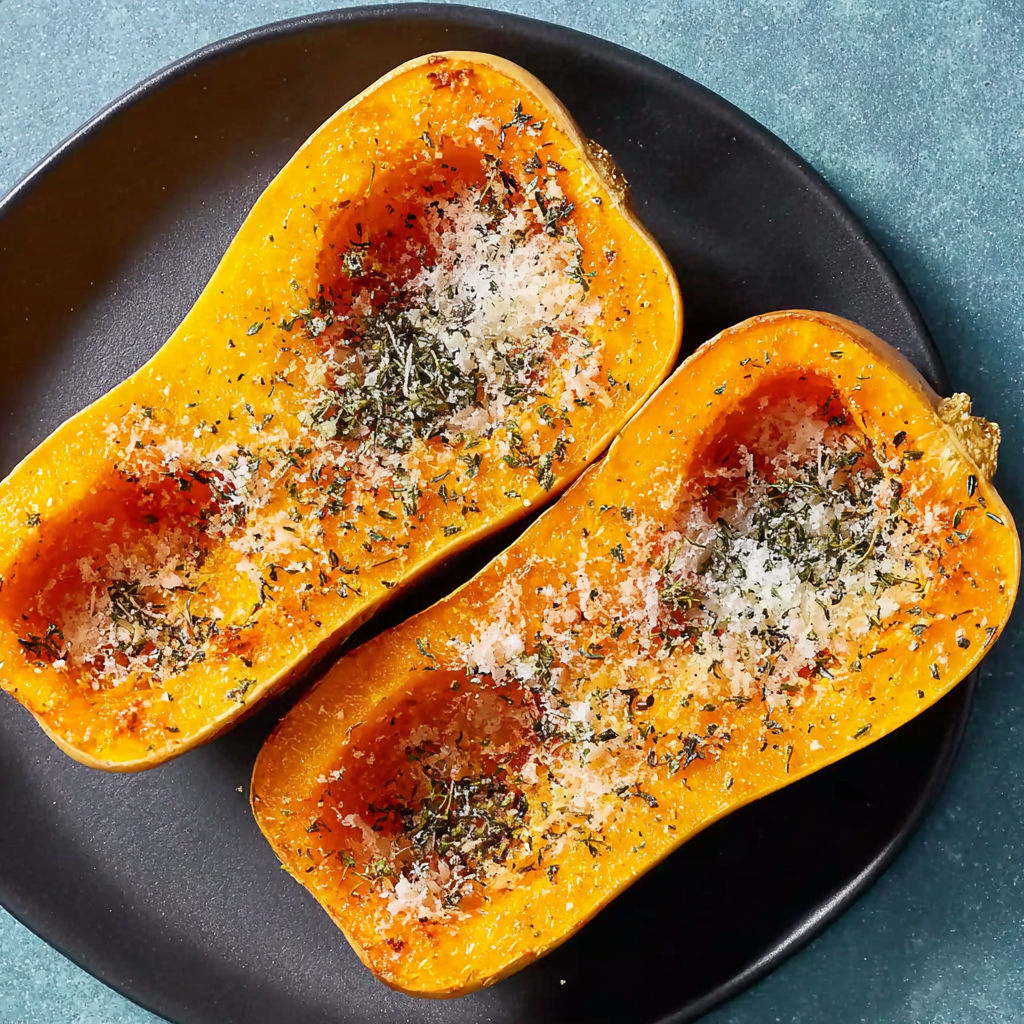
Baked butternut squash always brings warmth and vibrant color to my holiday table or any dinner that needs a touch of comfort. This buttery roasted dish is as easy as it comes yet impressive in taste and appearance. Serve it straight from the skin for rustic elegance or mash it up for a creamy side to pair with your favorite mains.
The first chilly night I made this I was surprised at how buttery and rich the squash tasted even before adding toppings. Now it is my go to whenever I need a reliable side for Thanksgiving or cold weather dinners with friends.
Ingredients
- Butternut squash: One large butternut squash goes a long way for flavor and nutrients. Look for one that is firm with smooth unblemished skin for the best results.
- Butter: Butter gives richness and helps bring out the sweet roasted notes in the squash. Choose a high quality unsalted butter for more control over seasoning.
- Salt: Salt brings balance to the natural sweetness. Flaky sea salt makes a lovely finishing touch.
- Freshly ground black pepper: Adds a gentle warmth. For the best taste grind right before using.
Instructions
- Prepare the Butternut Squash:
- Cut the butternut squash lengthwise using a sharp knife. Scoop out the seeds and stringy bits inside so you have clean squash halves ready for baking.
- Arrange in Baking Dish:
- Place the squash halves cut side down in a baking dish large enough to hold them snugly. I love using a sturdy glass or ceramic 9 by 13 inch dish.
- Add Water for Gentle Cooking:
- Pour two cups of water into the dish so it surrounds the squash. This gentle steaming keeps the flesh moist and tender as it cooks.
- Bake Until Perfectly Tender:
- Slide the dish into a preheated oven at 350 degrees Fahrenheit. Bake for about one and a half hours. Check every so often and add more water if it evaporates. The squash is done when a fork slides right in and the aroma fills your kitchen.
- Finish and Serve:
- Carefully turn the squash halves cut side up onto serving plates. Dot the hot flesh with butter and sprinkle generously with salt and pepper. Dig in while it is warm and creamy.
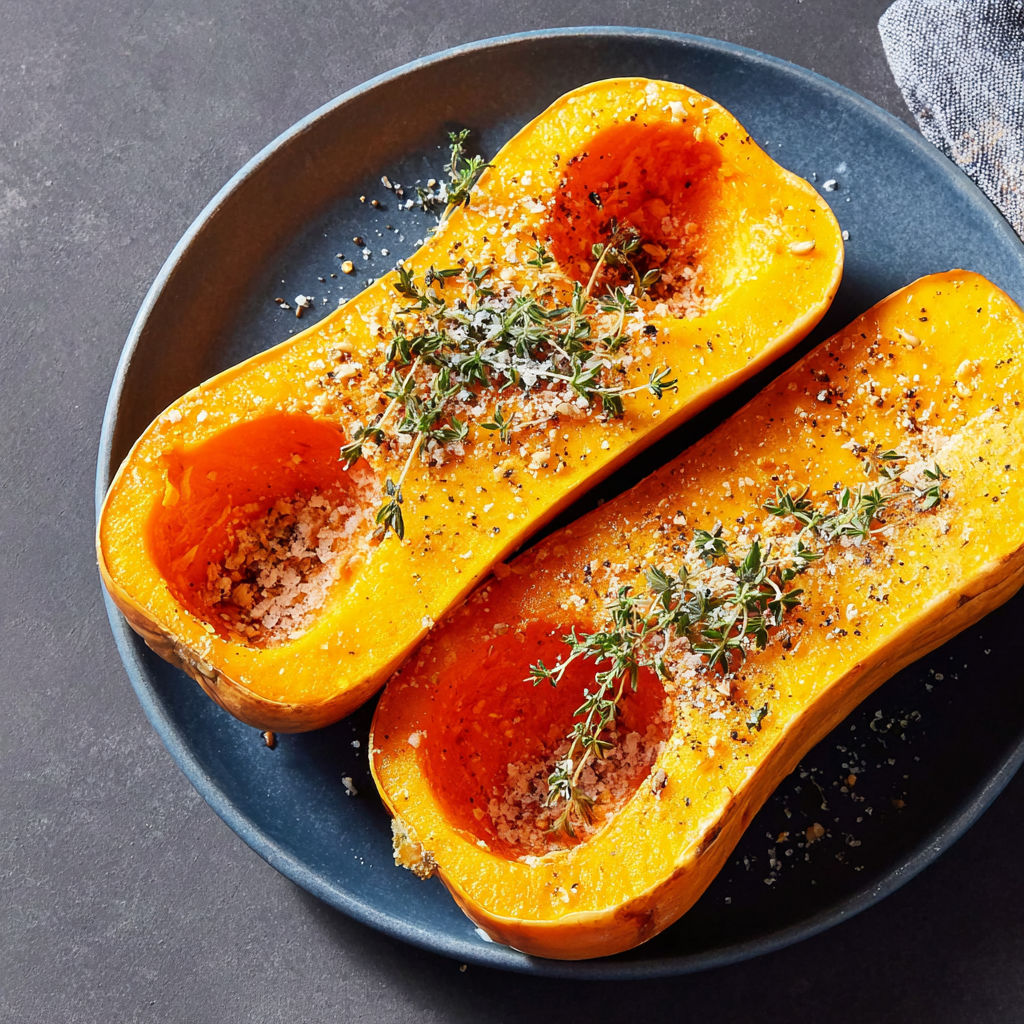
The subtle sweetness of roasted butternut squash always brings back memories of big family dinners when everyone wanted seconds. My favorite part is scooping into that soft orange flesh still piping hot in the skin.
Storage Tips
Leftover squash will keep in an airtight container in the fridge for up to four days. For longer storage, scoop out the flesh and freeze it in portions. It is wonderful blended into soups or casseroles straight from the freezer. Always cool completely before storing for best texture.
Ingredient Substitutions
Swap out the butter for olive oil if you prefer a plant based option. A sprinkle of cinnamon or a drizzle of honey before serving can add a festive flair. For vegan guests, a dab of coconut oil works beautifully and brings a subtle richness.
Serving Suggestions
Serve as an elegant side at holiday feasts or weeknight suppers. For a nourishing lunch, pile roasted squash onto greens with toasted nuts and goat cheese. It also makes a lovely filling for tacos or can be mashed with a hint of garlic for a richer flavor.
Cultural and Historical Context
Butternut squash has roots in North and Central American harvest traditions. Its natural sweetness and long storage made it a winter staple long before modern refrigeration. Baking is the simplest way to showcase both history and flavor in your kitchen.
Seasonal Adaptations
Roast with fresh sage and rosemary in autumn for extra aroma. Try stuffing the halves with quinoa salad after baking in spring. Top with a quick brown sugar crumble for a cozy winter dessert.
Success Stories
I have shared this recipe with friends who claim they never liked squash until now. One even used it as the base for a vegetarian Thanksgiving main and said it was the first dish to disappear. It is simple enough to build confidence if you are new to roasting vegetables.
Freezer Meal Conversion
After baking and cooling the squash, scoop out the flesh and store in freezer safe bags or containers. To use later, defrost in the fridge overnight and reheat in the microwave or oven. It tastes just as vibrant months later.
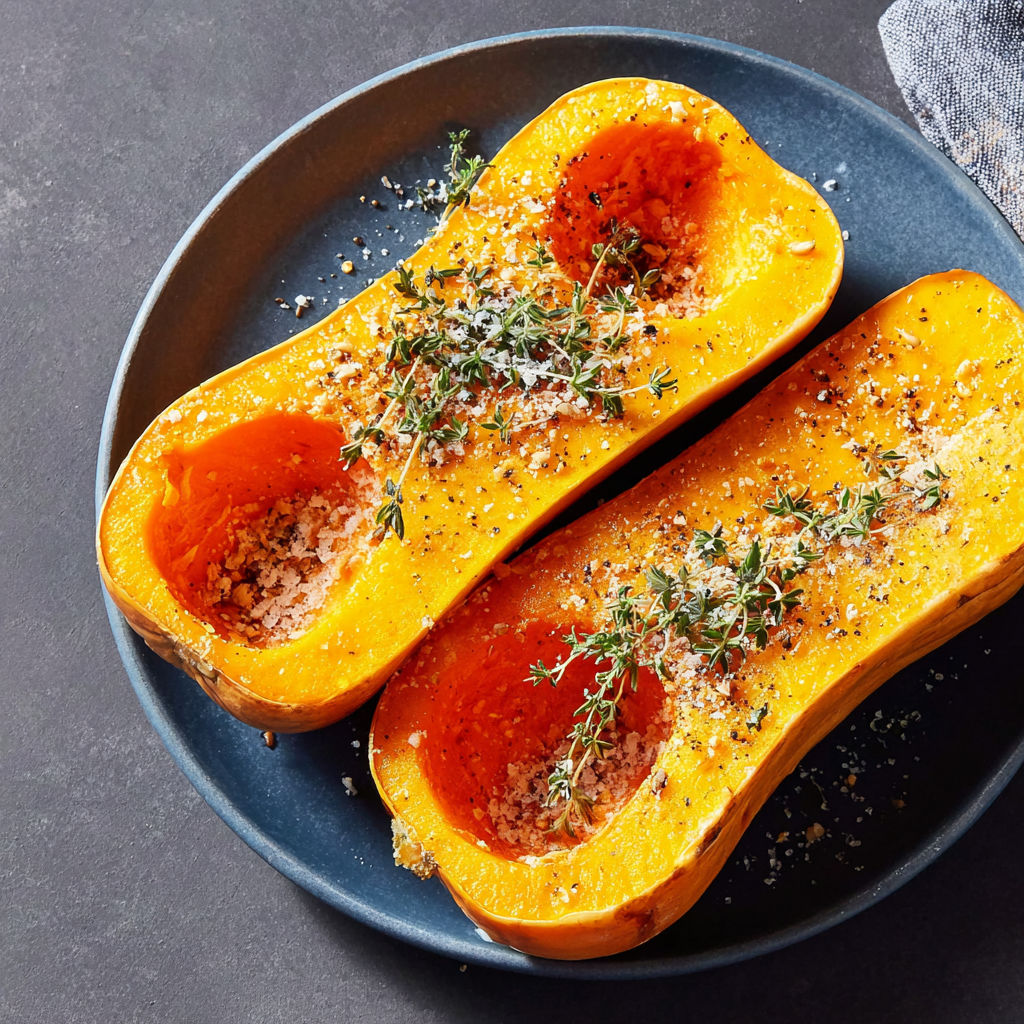
This is my favorite easy side for festive and comforting meals. Enjoy with your loved ones for flavor and memories that last.
Common Recipe Questions
- → How do I know when the squash is done?
The squash is ready when the flesh is very tender and easily pierced by a fork, typically after about 1½ hours.
- → Should the skin be eaten or removed?
While the flesh is the star, the skin is edible when roasted, though many prefer to scoop out just the soft interior.
- → Can I add other seasonings?
Absolutely. Try sprinkling cinnamon, nutmeg, or even a touch of maple syrup before serving for extra flavor.
- → What pairs well with baked butternut squash?
Roasted meats, fall salads, and grain dishes all complement this preparation beautifully.
- → Can I prepare this ahead of time?
Yes, the squash can be baked in advance and reheated before serving. Add butter and seasonings just before enjoying.