
 Save
Save
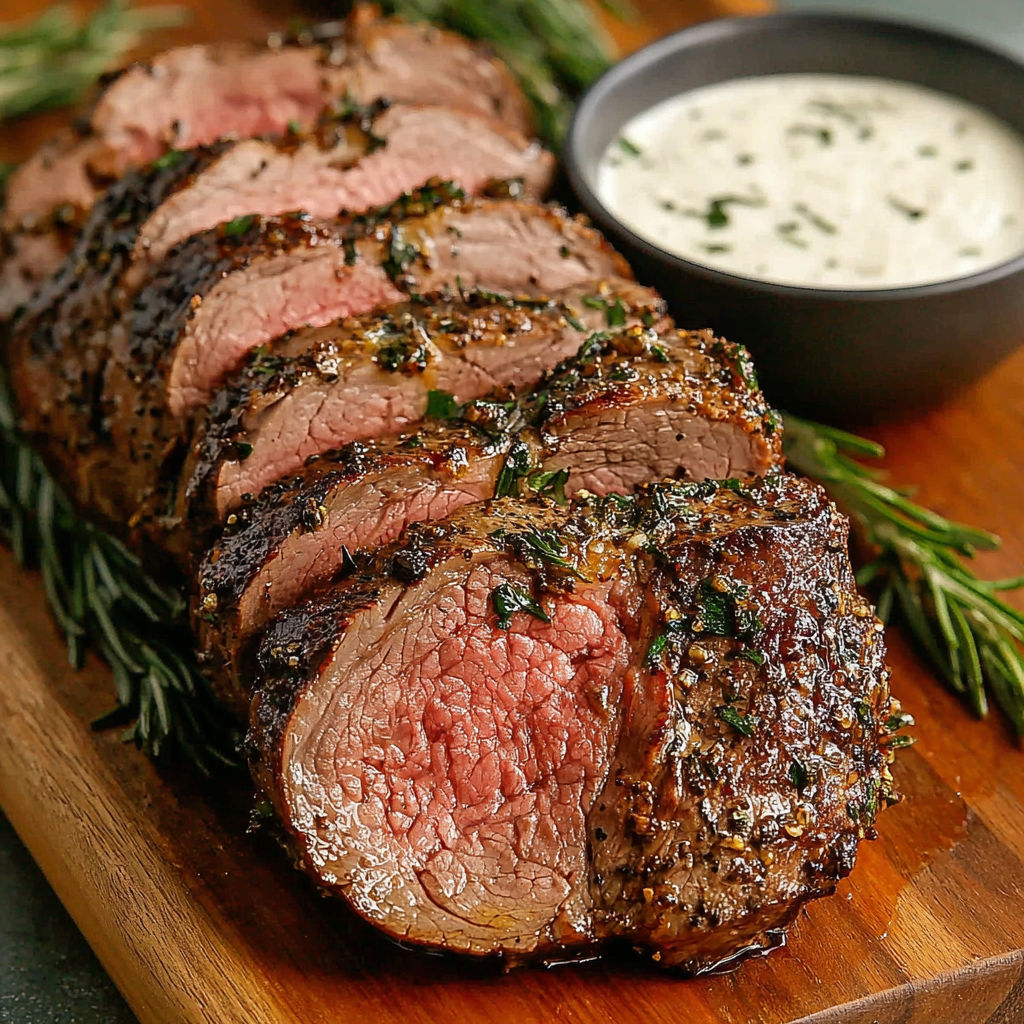
This stunning roast beef tenderloin delivers restaurant-quality results right at home and never fails to impress for any special dinner. It is incredibly tender with a savory crust, thanks to an herb butter that melts into every slice. From trimming and tying the roast to applying a memorable butter finish, every detail comes together for a truly premium meal guests will talk about long after.
My first time making this was for a New Year’s dinner party and the wow factor at the table was unbelievable. Now it is our go-to for holiday feasts and special birthdays.
Ingredients
- Beef tenderloin: Quality matters for the final tenderness. Opt for prime grade and have your butcher trim and tie it for you if possible.
- Salt: Makes all the flavors pop. Kosher salt will give you the best coverage and the most even seasoning.
- Black pepper: For subtle heat. Always use freshly cracked for brightness.
- Avocado oil: Handles high heat perfectly and is flavor neutral. Look for clear gold oil with little aroma.
- Prepared horseradish or Dijon mustard: Gives the herb butter a subtle tang. Use a smooth texture for even mixing.
- Minced garlic: Builds a deeper savory base. Pick bulbs that are firm and free of green shoots for best flavor.
- Minced rosemary or thyme: Choose whichever is freshest for a sage-like lift. Fresh leaves should look perky and not dried out.
- Salted butter: Binds the herb crust and adds richness. European style butters like Kerrygold have sweet creamy notes and a golden color.
Instructions
- Trim Tie and Season the Beef Tenderloin:
- Trim off any silverskin or excess fat from the beef to ensure each bite is buttery tender. Cut the tenderloin in half for easier handling then tuck the thinner tip under and tie every two inches with butcher’s twine for an even cylinder. This keeps the roast beautifully even as it cooks. Season all over with salt and pepper then chill uncovered on a rack in the fridge for ten hours or up to overnight to create a perfect crust.
- Bring Beef to Room Temperature:
- Rest the tied and seasoned tenderloin on your counter for two hours before cooking. It is worth the wait because even temperature ensures juicy beef from edge to center. For the most forgiving results do not shortcut this step.
- Sear the Beef Tenderloin:
- Heat avocado oil in a large cast iron skillet over medium high. Sear the roast for a full three to five minutes on each surface turning each time to build a deep golden brown exterior. Searing adds caramelization and locks in flavor while the center stays rare.
- Make and Apply the Herb Butter:
- While the beef browns mix soft salted butter garlic horseradish or Dijon and freshly chopped rosemary or thyme. Spread this aromatic butter all over the warm beef immediately after searing so it melts into the crevices forming the best crust. I always use premium Irish butter here for a really decadent finish.
- Roast the Tenderloin:
- Place the buttered tenderloin into your hot oven either in the skillet or in a roasting pan. Insert a probe thermometer into the thickest part for the most accurate doneness. Roast for about twenty to twenty five minutes for medium rare aiming for an internal temp around 130F to 135F. Once done rest the roast on a cutting board before slicing.
- Rest and Slice the Tenderloin:
- Let the finished roast sit out for fifteen to twenty minutes before cutting so that the juices redistribute. Slice into thick one inch medallions and serve immediately for maximum juiciness and flavor.
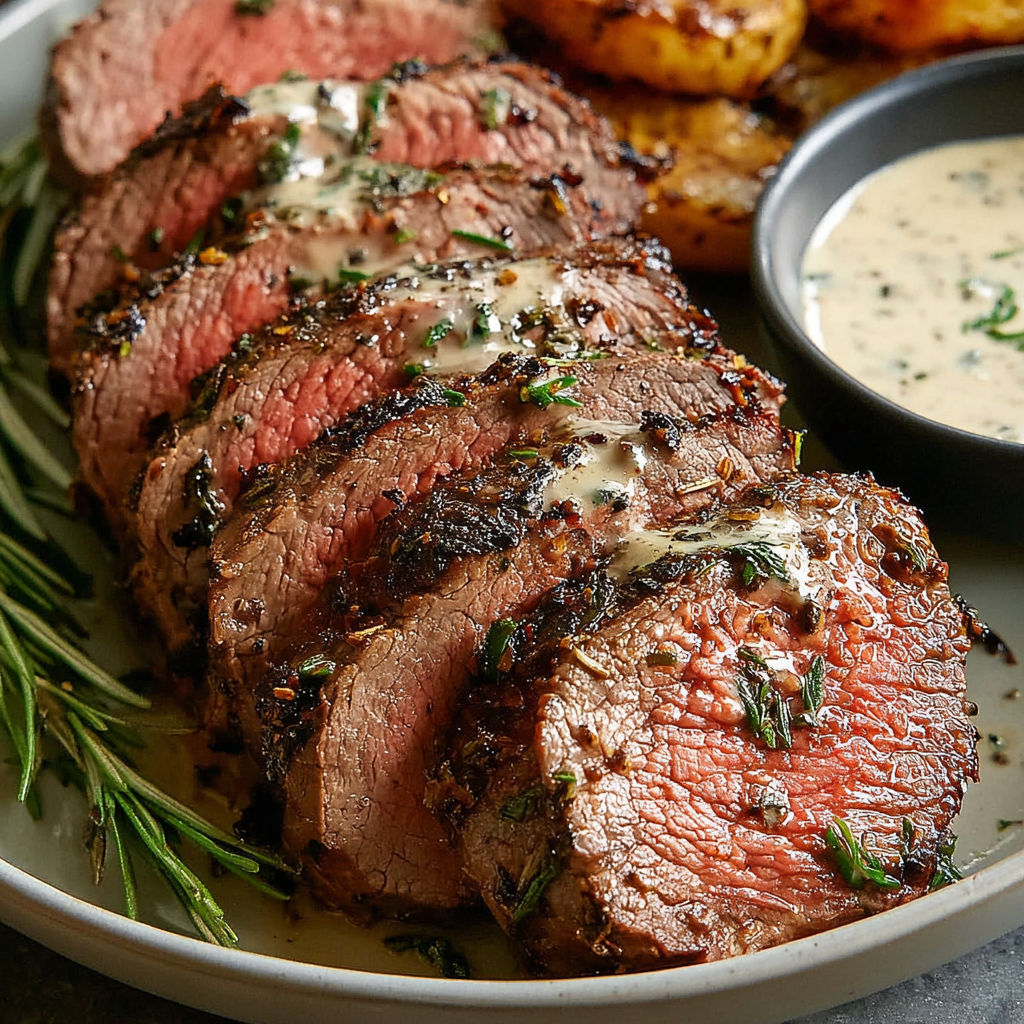
I love how just a little good butter and fresh herbs transform a simple cut of beef into the star of the table. My family always lingers at the dining room longer than usual when this centerpiece comes out and even the leftovers feel like a luxury sandwich upgrade the next day.
Storage Tips
Let any leftovers cool completely then wrap tightly in foil or airtight containers and refrigerate for up to three days. Slices are wonderful eaten cold or lightly rewarmed. If freezing, freeze sliced portions separated by parchment for easier thawing and use within one month.
Ingredient Substitutions
No avocado oil? Use any high heat neutral cooking oil such as grapeseed or sunflower. No fresh herbs? Dried rosemary or thyme can pinch hit—use half the amount. No horseradish? Dijon mustard brings the same subtle zing.
Serving Suggestions
I love pairing this roast with creamy mashed potatoes, garlicky green beans, or a festive salad of arugula and shaved parmesan. For extra flavor, a splash of red wine pan sauce or a dollop of leftover herbed butter on each slice makes the meal memorable.
Cultural and Historical Context
Beef tenderloin is a classic celebratory roast seen in everything from French holiday feasts to American banquet tables. The tradition of butter basting likely began as a way to preserve moisture before the days of modern ovens and thermometers. It is a true showstopper found at weddings, anniversaries, and Sunday family spreads worldwide.
Seasonal Adaptations
Use a fresh herb blend in summer like basil or parsley for brightness. Serve with root vegetables and hearty sides in colder weather. Leftover cold slices are amazing for springtime beef salads or sandwiches.
Success Stories
A neighbor tried this recipe for her son’s graduation party and guests lined up for seconds, even asking for the method. My cousin insists on having it every Easter now once she tasted the rosemary crust.
Freezer Meal Conversion
Slice the cooled roast into portions and wrap tightly. Freeze in a single layer with parchment in between for easy grabbing. Thaw overnight in the fridge and rewarm gently, covered in foil at low heat.
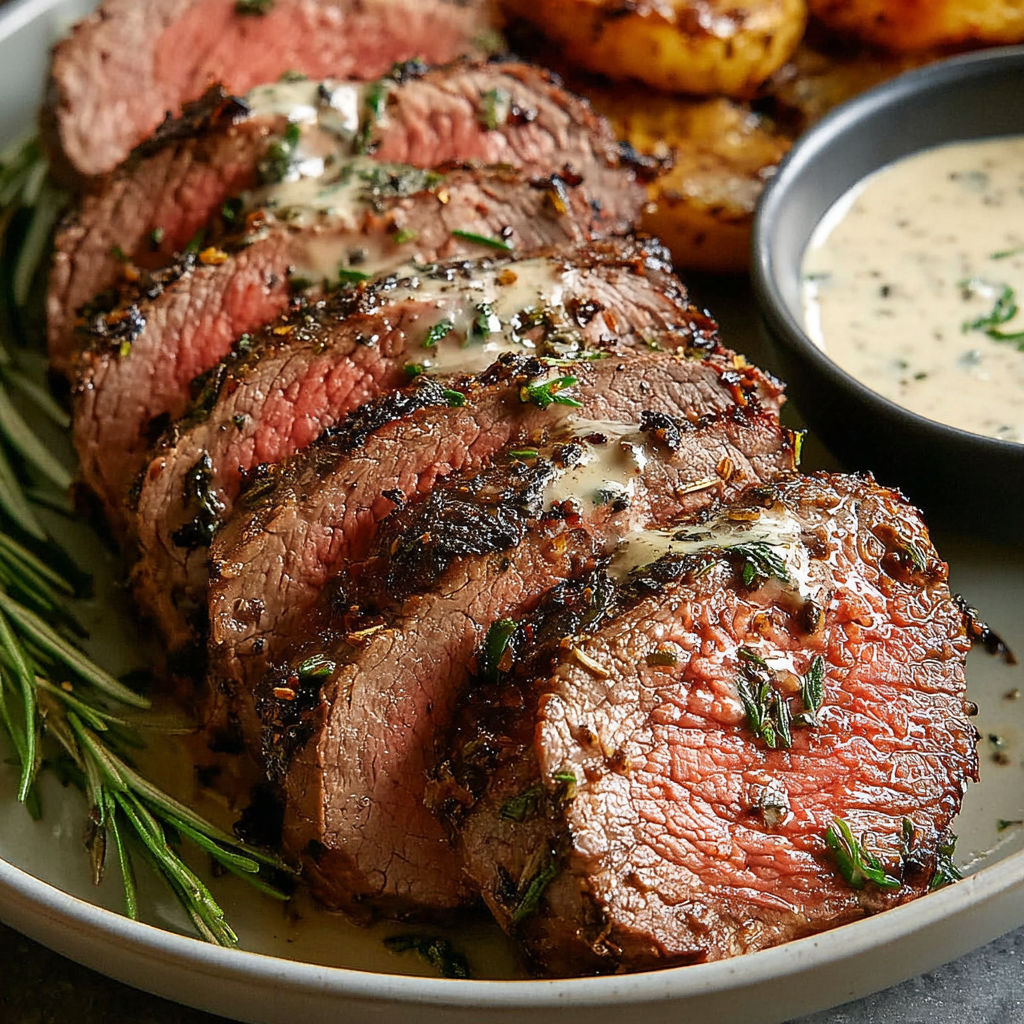
A well-cooked beef tenderloin will become a new family tradition. Take your time with each step and your guests will be raving for years to come.
Common Recipe Questions
- → How do you achieve a golden crust on beef tenderloin?
Searing the tenderloin in hot avocado oil over medium-high heat ensures a deep golden-brown crust that locks in juices and delivers flavor.
- → Why rest beef tenderloin before slicing?
Resting allows the juices to redistribute, resulting in moist and tender slices that won't dry out when served.
- → Can I substitute the rosemary with other herbs?
Yes, thyme works very well and adds a different herbal note without overpowering the beef or butter.
- → What’s the best way to tie a beef tenderloin?
Tuck the narrow end under itself for a uniform thickness, then use butcher’s twine to secure the shape so it cooks evenly.
- → What internal temperature is ideal for medium-rare tenderloin?
Roast until a thermometer inserted in the thickest part reads 130–135°F (54–57°C) for a perfect medium-rare center.
- → Why use high-quality butter?
Rich, premium butter enhances the flavor and creates a luxurious crust when blended with fresh herbs and garlic.