
 Save
Save
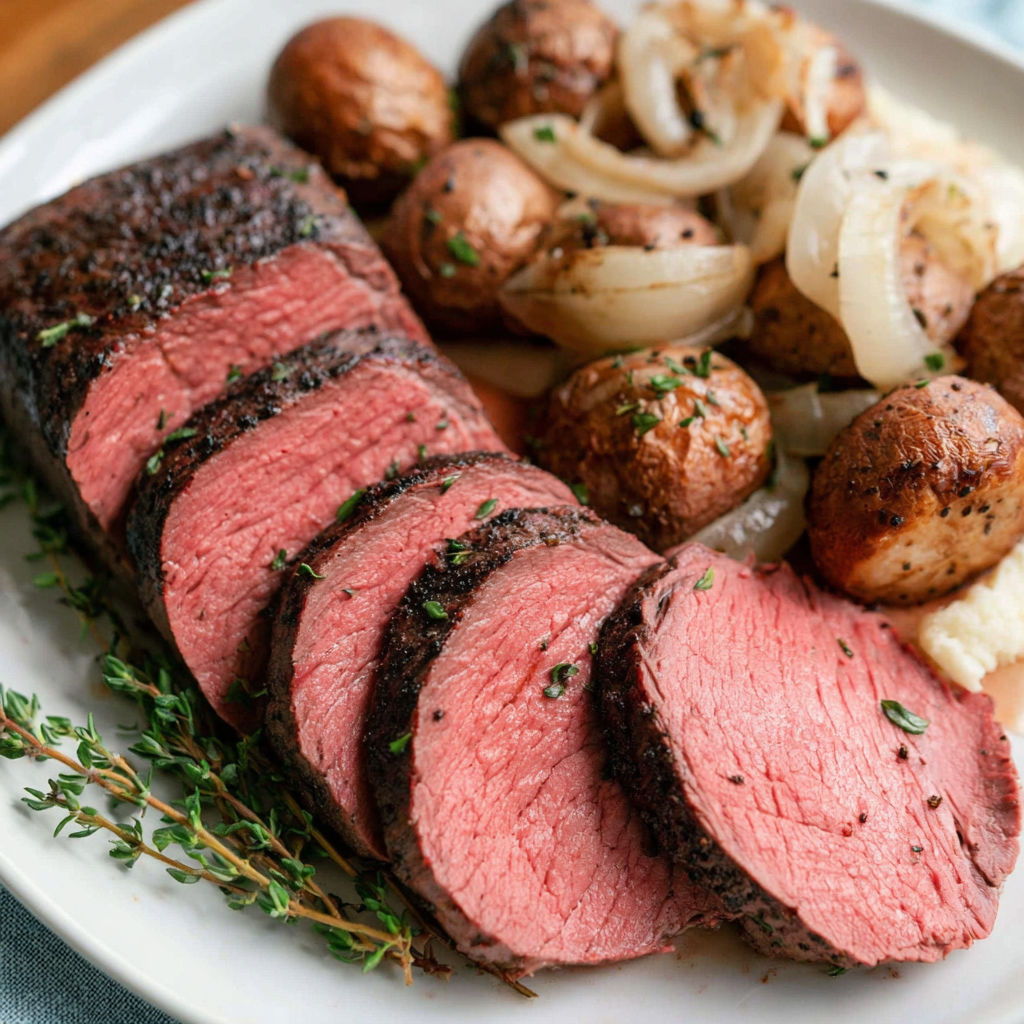
This venison backstrap recipe is my go-to for turning a beautiful cut of wild game into a special meal in barely twenty minutes. The quick sear in a cast iron skillet locks in juices and flavor, while oven roasting brings out a buttery tenderness perfect for chilly nights. The fragrant herb crust and soft onions make this dish feel both rustic and refined.
I first made this for my friends after a long day of hunting in late autumn. The entire kitchen filled with savory aromas and now they always ask when backstrap season rolls around again.
Ingredients
- Venison backstrap: Look for a fresh or properly thawed piece trimmed of silver skin for best texture
- Yellow onion: Choose a firm onion with papery skin removed for mild sweet base flavor
- Butter: Adds richness and helps the onions caramelize just enough
- Avocado oil: Has a high smoke point and neutral flavor so the herbs shine
- Fresh sage leaves: Fragrant and woodsy use whole fresh leaves not dried for the brightest taste
- Fresh thyme: Delicate and slightly lemony strip leaves from stems just before using
- Garlic: Choose plump fresh cloves for sweet pungency
- Sea salt: Pure salt accentuates natural game flavors without overpowering
- Ground black pepper: Use freshly ground for gentle heat and aroma
Instructions
- Prep and Preheat:
- Set your oven to three hundred seventy five degrees Fahrenheit while the venison comes to room temperature. Pat the backstrap dry with paper towels to ensure a perfect sear and remove any excess moisture.
- Start the Onions:
- Slice your onions uniformly. Add them with butter to your cast iron skillet and cook over medium heat for five minutes, just to soften and start releasing sweetness without browning. Stir occasionally to prevent sticking.
- Make the Herb Rub:
- In a mortar and pestle, crush fresh sage and thyme until they start to form a coarse green paste. Scraping into a mixing bowl, add avocado oil, minced garlic, sea salt, and black pepper. Mix thoroughly to create a paste that will cling and flavor the meat.
- Coat the Backstrap:
- Rub the herb paste all over the venison until every side is covered. If the backstrap is long, cut it in half so it fits comfortably in your skillet.
- Sear the Meat:
- Nestle the coated backstrap in with the softened onions. Sear each side for two to three minutes over medium-high heat keeping the surface golden but not burnt. This step locks in the juices and creates a flavorful crust.
- Finish in the Oven:
- Transfer the entire skillet to your preheated oven. Roast for five minutes just until the meat is tender and cooked to medium rare or your preferred doneness.
- Rest and Serve:
- Cover the skillet loosely with foil and let it sit for three minutes. Move the backstrap to a cutting board and rest for five more minutes before slicing. This step keeps the meat juicy and tender.
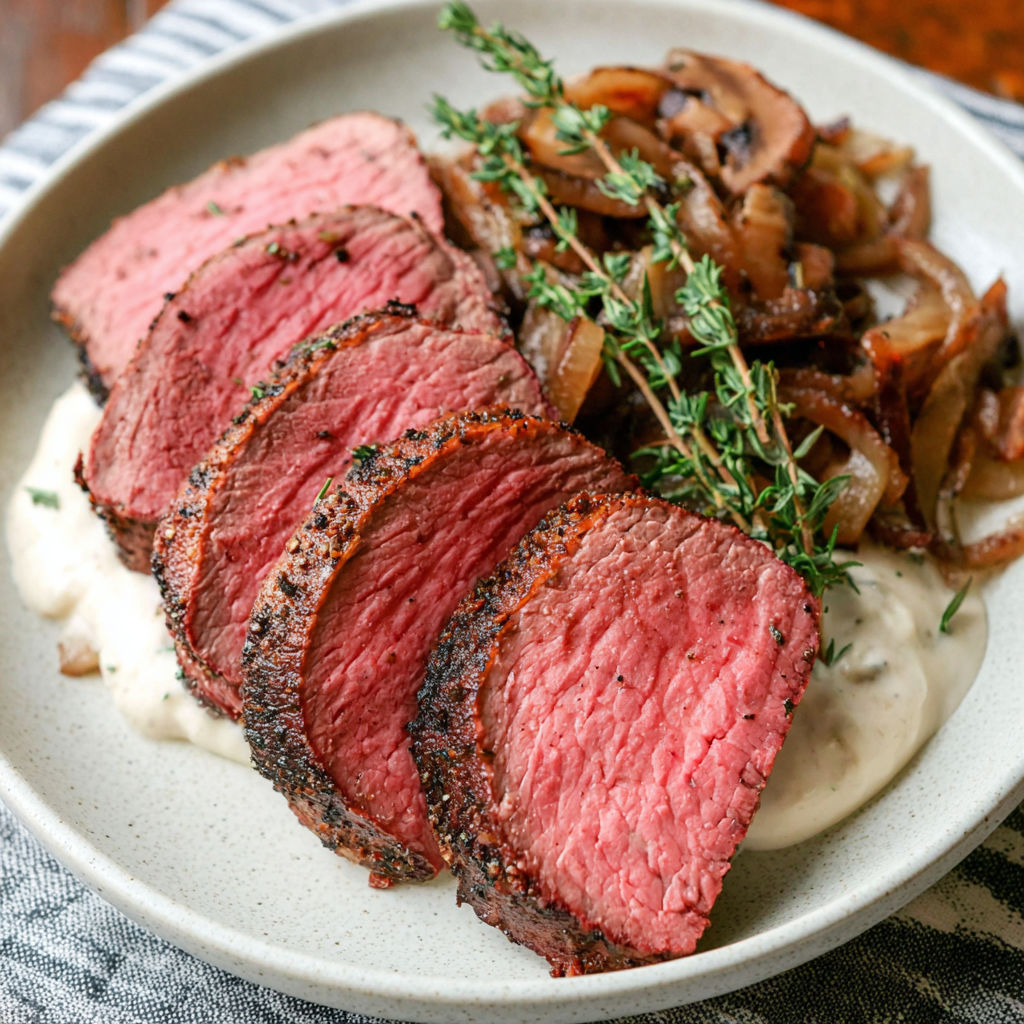
Sage is my absolute favorite herb here because of its depth and wintery aroma. Last Christmas we served this on a snowy evening and my family still talks about that magical meal every year.
Storage Tips
Once cooled completely store leftover venison tightly wrapped in the refrigerator for up to three days. Slice only what you plan to eat because whole pieces retain moisture better. To reheat place the slices in a low oven covered with foil so they do not dry out.
Ingredient Substitutions
No fresh sage or thyme available Try rosemary or even parsley for a fresher green note. If you are out of avocado oil use light olive oil but avoid strongly flavored oils so you do not mask the natural meat. For a dairy-free version swap in plant-based butter.
Serving Suggestions
Serve the sliced venison over mashed potatoes or creamy polenta to soak up all the juicy pan flavors. Roasted root vegetables are another hearty side. I always scatter a few more thyme leaves and drizzle pan juices on top for that extra touch.
Cultural and Seasonal Context
Venison backstrap is a prized cut in American hunting traditions symbolizing celebration and skill. Its preparation is often reserved for gatherings or holidays where the best ingredients and extra care are given to the cooking process. In late fall and winter the warmth of the skillet and the scent of herbs feels especially comforting.
Seasonal Adaptations
Fresh wild mushrooms make a perfect addition stirred into the onions. Winter squash or sweet potato purée is a delicious side. For spring use chive blossoms or fresh ramps instead of sage and thyme.
Success Stories
A friend of mine served this recipe at a holiday dinner and said it was the very first dish to disappear an hour before dessert. Another reader emailed me to say her family requests it year round and that her picky youngest actually cleared his plate. I think the combination of savory herbs and tender venison is simply irresistible.
Freezer Meal Conversion
You can freeze raw backstrap coated in herb paste for up to three months. Wrap tightly and thaw overnight before following the cooking steps. Cooked venison slices can also be frozen but texture is best if you rewarm gently in a foil packet to avoid drying.
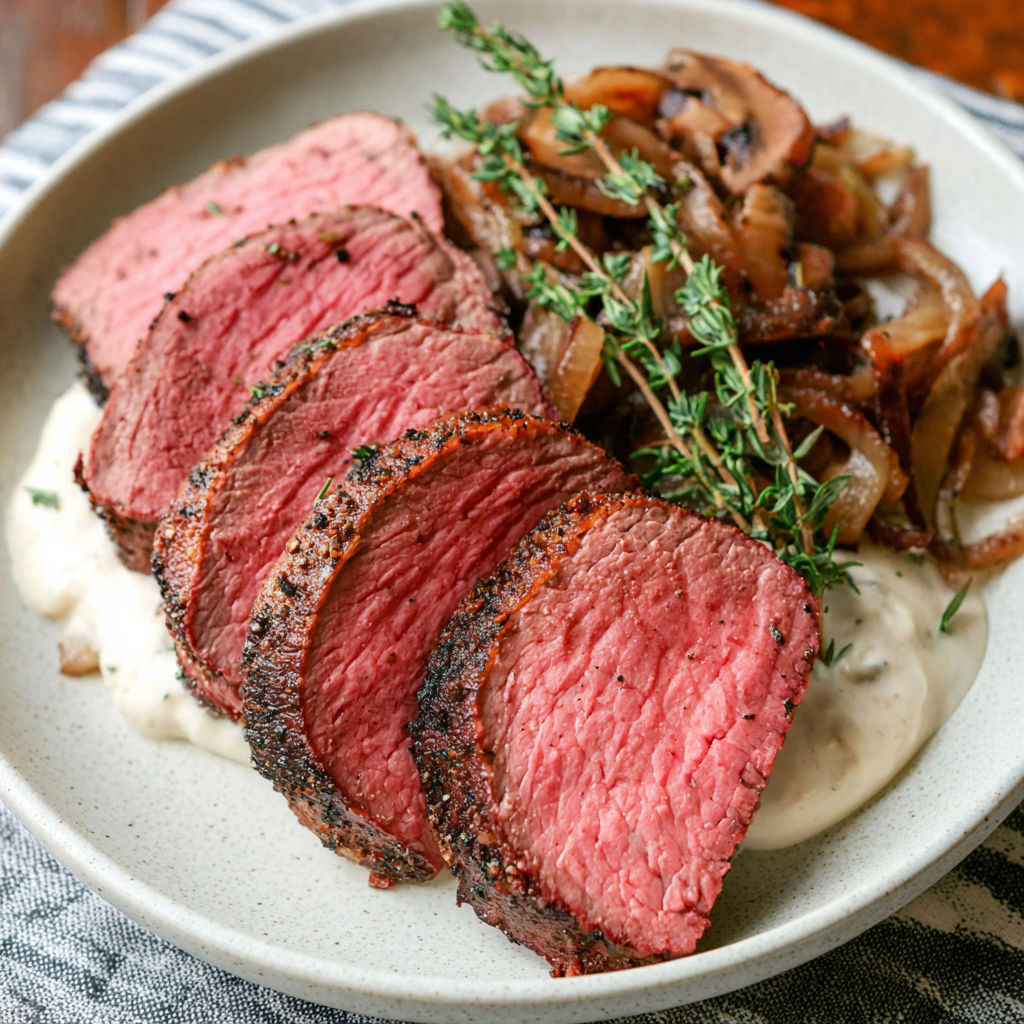
This venison backstrap is the ultimate special occasion meal but simple enough to prepare on a weeknight. For the best flavor, honor your wild game with patience, fresh herbs, and a generous rest after cooking.
Common Recipe Questions
- → How do you keep venison backstrap tender?
Sear quickly over high heat, avoid overcooking, and always let the meat rest before slicing. This preserves moisture and tenderness.
- → Which herbs best complement venison backstrap?
Fresh sage and thyme add earthy, aromatic notes that balance the rich flavor of venison beautifully.
- → Is it necessary to marinate venison backstrap?
While marinating isn’t required, coating with a herb-infused oil adds both moisture and flavor to each bite.
- → What’s the ideal doneness for venison backstrap?
For the most tender result, cook until medium-rare to medium and avoid overcooking, which can cause dryness.
- → Why rest venison after cooking?
Resting allows the juices to redistribute, ensuring every slice remains moist and flavorful when served.