
 Save
Save
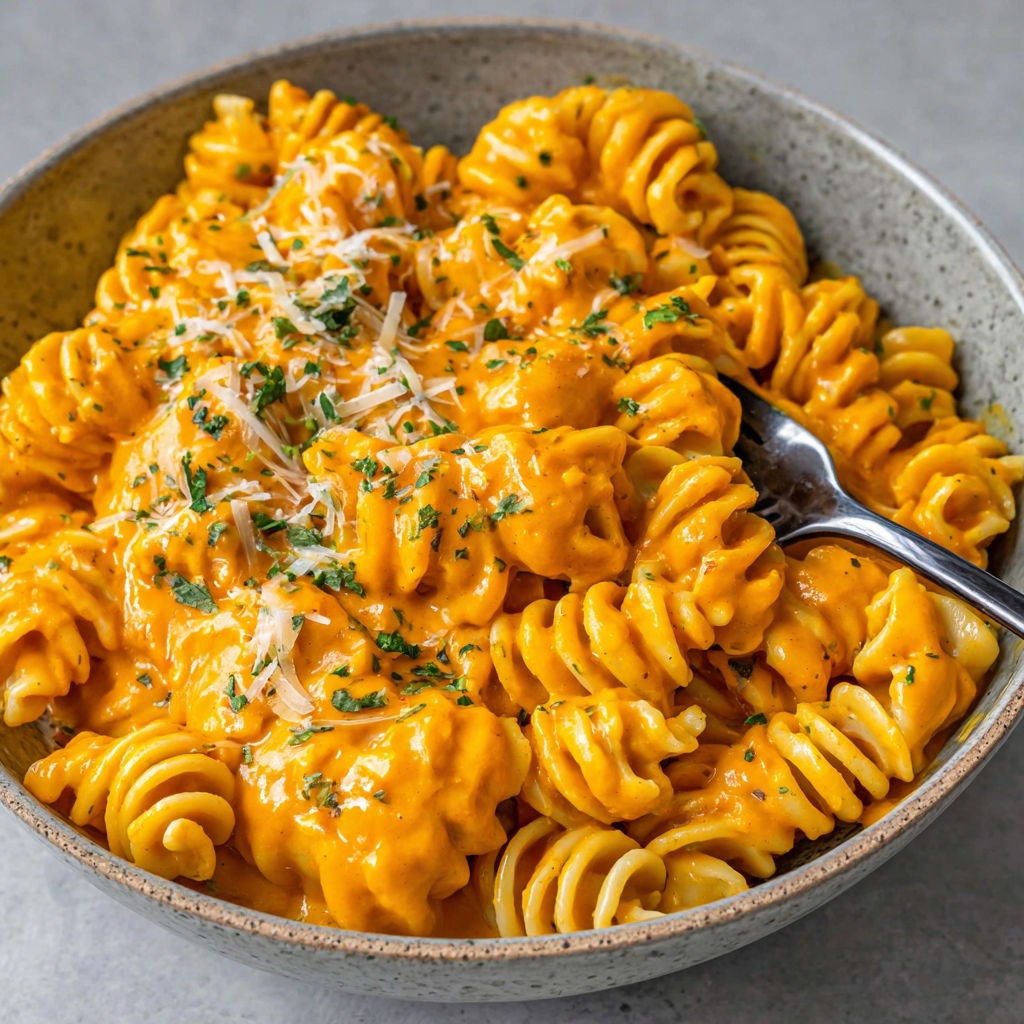
This creamy vegan butternut squash pasta sauce has become my go—to for cozy weeknight dinners. The sauce transforms simple ingredients into a velvety bowl of comfort that is naturally dairy free yet incredibly rich in flavor. Perfect for fall but easy enough to whip up with frozen butternut squash year round this healthy sauce turns any pasta night into something special.
The first time I made this recipe it was after visiting a local pumpkin patch when I came home craving something warm and nourishing. Now it is the dish my friends request the most whenever they come over for dinner.
Ingredients
- Frozen diced butternut squash: Adds luscious body and naturally sweet flavor Choose bags with vibrant orange color and no freezer burn
- Fresh chopped tomatoes: Brings brightness to balance the squash Look for tomatoes that feel heavy for their size and smell sweet at the stem
- Yellow onion: Creates savory depth to mellow out the sauce Select firm onions with papery skins and no sprouting
- Olive oil: Helps caramelize veggies and adds a subtle richness Use extra virgin for the best flavor
- Salt and black pepper: Essential for drawing out the sweeter notes of roasted squash Choose kosher or sea salt and freshly cracked pepper for best results
- Dried thyme: Gives the sauce a woodsy warmth Make sure your dried herbs are fresh with a strong aroma
- Pasta: Choose your favorite shape Something with texture holds this creamy sauce best like rigatoni or penne Check ingredients for quality durum wheat if using regular pasta
- Reserved pasta water: The key for blending everything silky Save some from your cooked pasta right before draining
Instructions
- Prep and Arrange Vegetables:
- Set your oven to four hundred fifty degrees Fahrenheit and cover a baking sheet with parchment paper. Spread out your frozen butternut squash diced tomatoes and sliced onion so nothing overlaps. The even layers help everything caramelize instead of steam.
- Season and Oil:
- Pour the olive oil over the vegetables. Sprinkle with salt black pepper and thyme then use clean hands to mix until each piece is coated. This step ensures every bite is flavorful.
- Roast the Vegetables:
- Roast for twenty minutes on the top rack. Stir halfway to promote even browning. The edges should start to caramelize while the insides turn soft.
- Cook the Pasta:
- While your veggies roast bring a large pot of salted water to a boil. Add your pasta and cook until just al dente following the timing on the box. Right before draining scoop out one third cup of the cooking water and set it aside for later. Drain pasta thoroughly.
- Blend the Sauce:
- Carefully add the hot roasted vegetables straight from the oven into a blender. Pour in the reserved pasta water. Blend on high for at least one minute scraping down the sides if needed until your sauce is perfectly smooth with a creamy consistency.
- Toss with Pasta:
- Pour your freshly blended butternut squash sauce over the cooked drained pasta. Toss well until all the noodles are evenly coated and the sauce clings beautifully. Serve right away with your favorite plant based parmesan or classic parmesan if you like.
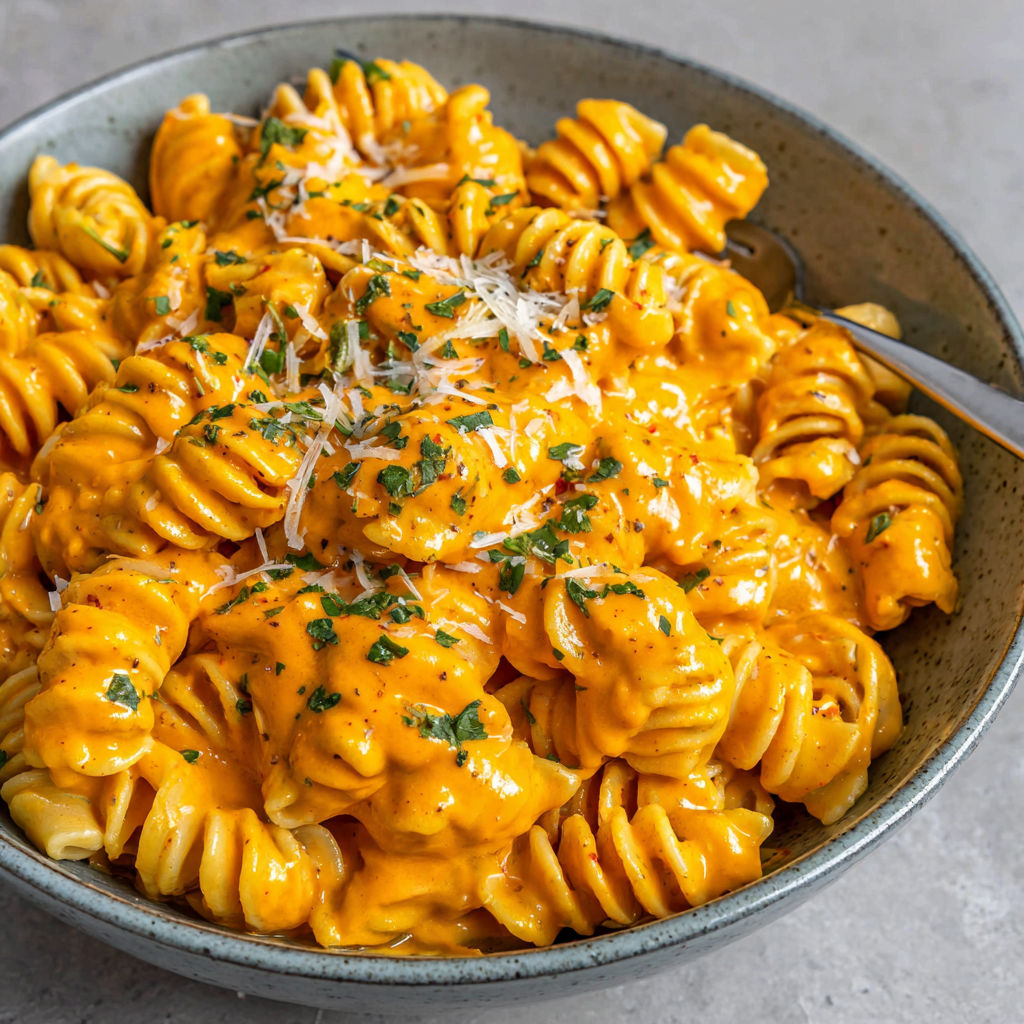
My absolute favorite part of this dish is how butternut squash caramelizes with just olive oil and herbs filling the kitchen with roasted sweetness. My whole family gathers around the table for seconds each time I make it without even asking if there is cheese inside.
Storage Tips
Store leftover butternut squash pasta sauce separately from pasta if possible. Place in an airtight container in the refrigerator for up to four days. To freeze ladle the sauce into zip top freezer bags or a freezer safe container for up to three months. When reheating add a splash of water to re loosen the sauce and stir gently until hot.
Ingredient Substitutions
If you cannot find frozen butternut squash fresh peeled and diced squash works great just ensure the cubes are uniform for even roasting. For tomatoes canned diced tomatoes drained can substitute in a pinch. Sweet potato may be swapped for butternut squash to add a slightly earthier flavor. Whole wheat pasta or gluten free pasta are both excellent options if dietary needs require.
Serving Suggestions
This sauce loves textured pastas like penne rotini or fusilli which hold the creamy coating perfectly. I often add wilted spinach or sautéed mushrooms for extra nutrition. Top with toasted pumpkin seeds for crunch or a drizzle of chili oil for a little heat. A crisp green salad or roasted broccoli makes a comforting meal.
Cultural and Seasonal Context
Butternut squash is a staple of early autumn meals across North America valued for its deep golden color and naturally sweet taste. Italian inspired tomato and thyme blend seamlessly with American comfort food traditions making this recipe a cross cultural classic. During winter use frozen squash for a touch of fall flavor no matter the season.
Seasonal Adaptations
Add roasted red peppers for sweetness in summer Swap in fresh sage or rosemary for a deeper winter flavor Stir in baby arugula or kale just before serving for spring greens
Success Stories
After making this sauce for my book club one of my friends went home and made it for her kids who are picky about veggies. They not only finished their plates but asked to have the leftovers packed for lunch the next day. Another friend froze the sauce in portions and says it tastes just as good weeks later.
Freezer Meal Conversion
Double the sauce recipe and freeze in individual meal size containers. When you need a fast dinner simply boil fresh pasta and reheat the sauce directly from frozen with a splash of water. This approach saves time and ensures a cozy vegetable packed meal is always ready on busy nights.
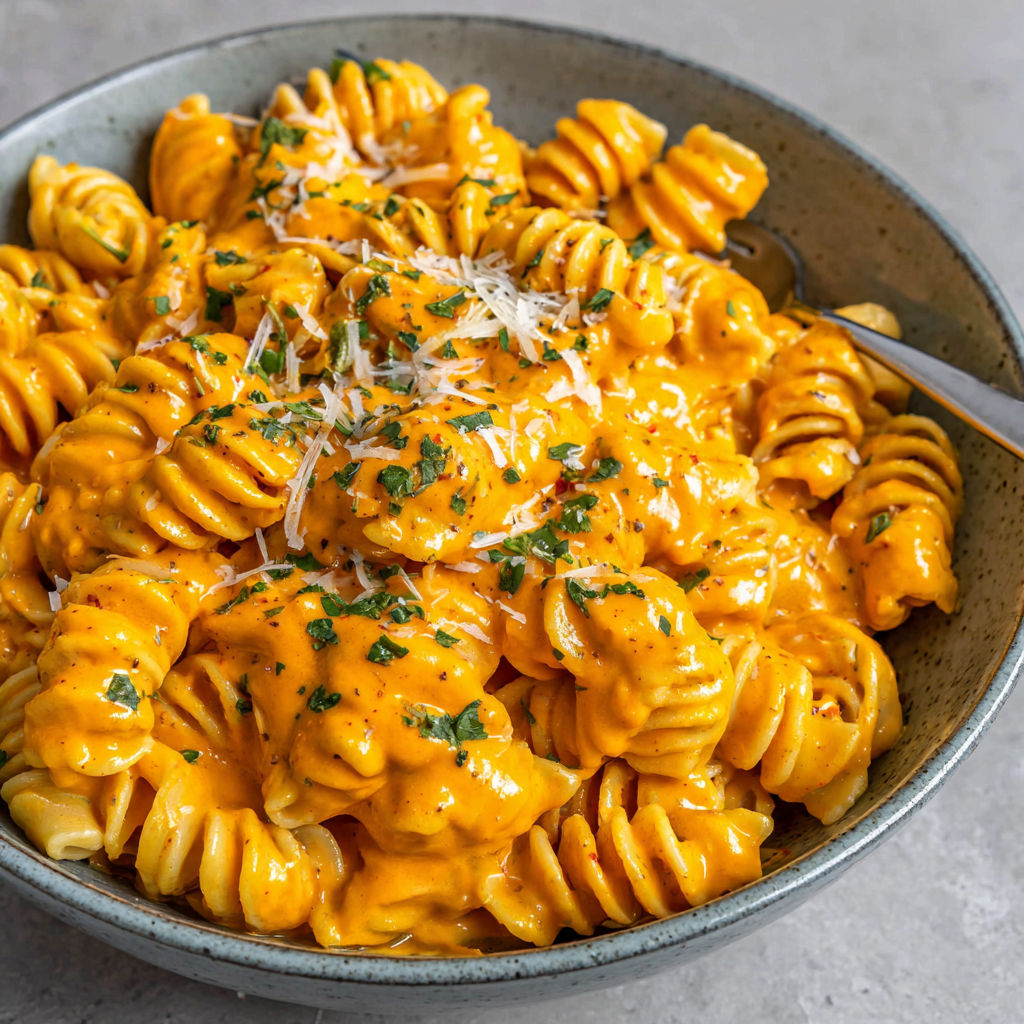
This sauce proves that a vegan pasta night can be both simple and delicious. Cozy up with a bowl and enjoy the golden comfort any weeknight of the year.
Common Recipe Questions
- → Can I use fresh butternut squash instead of frozen?
Yes, you can substitute fresh butternut squash, peeled and diced, for frozen. Roast as directed until tender.
- → Which type of pasta pairs best with this sauce?
Short pastas like penne, rigatoni, or shells hold the thick sauce well, but spaghetti or linguine also work nicely.
- → Is it necessary to blend the sauce completely smooth?
For the creamiest texture, blend until completely smooth. However, leaving it slightly chunky adds rustic appeal and texture.
- → Can I add other vegetables to the sauce?
Absolutely! Red bell peppers, carrots, or garlic cloves can be roasted and blended in for added flavor and nutrients.
- → How should leftovers be stored and reheated?
Store leftovers in an airtight container in the fridge for up to 4 days. Reheat gently on the stove with a splash of water or broth.