
 Save
Save
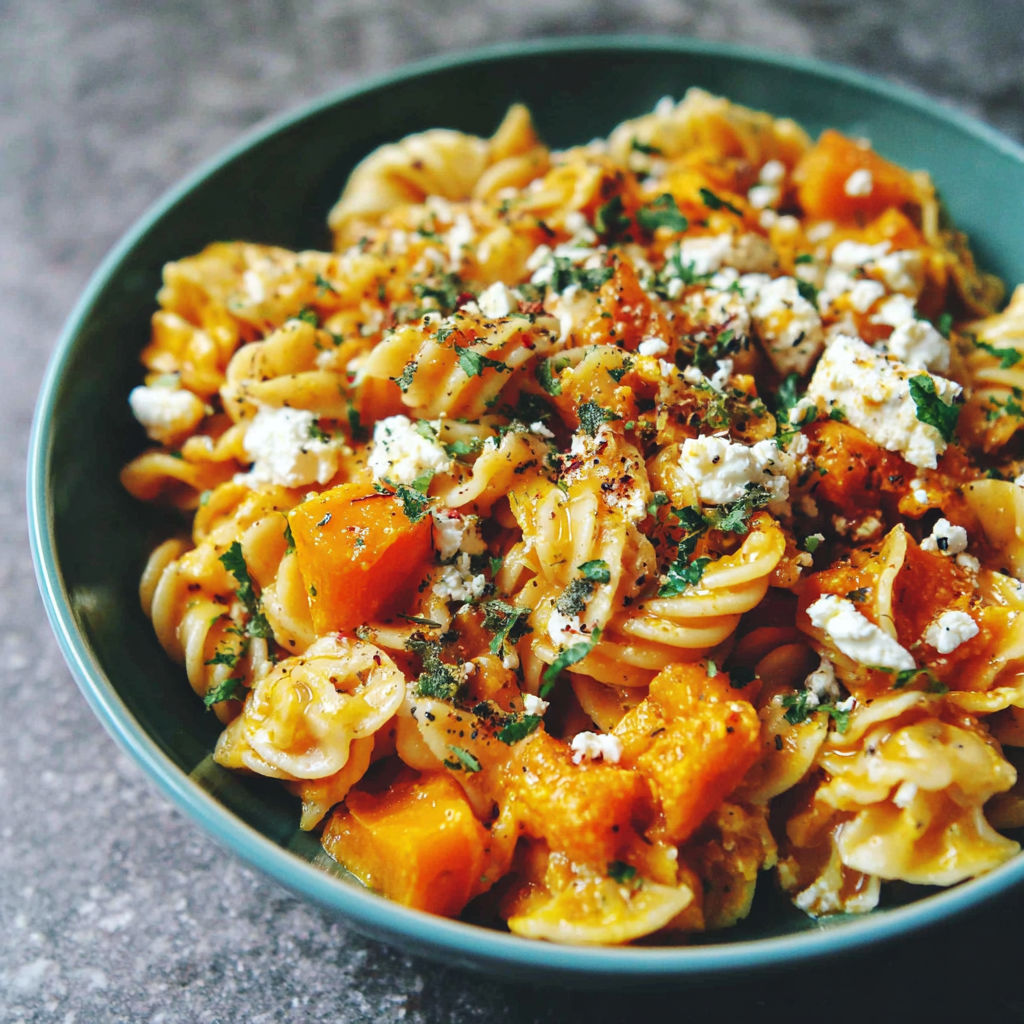
This Baked Feta and Butternut Squash Pasta with Sage and Garlic turns a chilly fall evening into something extra cozy. The creamy salty feta gently melts into sweet roasted squash for a sauce that hugs every pasta piece. Sage and garlic add an irresistible earthy warmth that always reminds me of dinner at my grandmother’s table. Whether cooking for a weeknight or showing off at a potluck, it never lasts long in my house.
The first time I made this on a cold October night the smell of browning sage and garlic made everyone come running to the kitchen. It quickly became a weekly request and pairs perfectly with a glass of white wine and fuzzy socks.
Ingredients
- Butternut squash: about five cups from one large squash use firm heavy squash with deep orange flesh for best flavor and texture
- Olive oil: about half a cup choose a good quality oil as it creates the base for the browning and richness
- Kosher salt: for seasoning and drawing out the squash’s sweetness use sea salt if preferred
- Red pepper flakes (optional): adds a gentle heat for extra depth buy in small amounts for freshness
- Feta cheese: one eight ounce block choose Greek feta in brine for maximum creaminess and tang
- Pasta: about one pound rotini orzo or ditalini work beautifully pick a brand that holds its shape well after boiling
- Fresh sage leaves, minced: about ten leaves buy sage with bright green leaves and a strong earthy smell
- Garlic, finely chopped: three cloves look for plump cloves without green shoots for best flavor
- Hot honey or regular honey: a tablespoon enhances the caramelized notes from the squash
- Fresh cracked black pepper: to taste grinder-fresh pepper delivers the best aroma
Instructions
- Prep and Preheat:
- Set your oven to four hundred degrees. Dice your squash into cubes removing seeds and peel. Line up your baking dish and boil water in a large pot for pasta.
- Build the Roasting Pan:
- Toss the butternut squash chunks with olive oil kosher salt and generous black pepper in the baking dish. Nestle the block of feta right in the center and drizzle just a bit more olive oil over the top. Sprinkle red pepper flakes and another turn of cracked pepper directly onto the feta for a kick.
- Roast the Squash and Feta:
- Bake the dish uncovered for thirty minutes. The squash will get tender and caramelized while the feta softens and browns on the bottom.
- Check and Bump the Heat:
- After thirty minutes slide out the baking dish and gently move the squash around being careful not to break the feta. This keeps the squash from sticking. Crank the oven to four hundred fifty and return the dish for an extra five to ten minutes. You want the feta to look lightly browned and the squash to be meltingly soft.
- Boil the Pasta:
- While roasting finish cooking your pasta in salty water until just al dente. Drain but save two cups of the pasta water to help make your sauce later.
- Combine and Finish:
- As soon as the feta is browned remove the baking dish. Scatter the minced garlic and sage all over then drizzle with honey. Immediately stir so everything combines with the hot cheese and squash into a creamy fragrant sauce.
- Add Pasta and Adjust:
- Pour the hot pasta into the cheesy squash mixture along with one cup of reserved pasta water. Gently stir everything together until the sauce coats each piece. If dry add more pasta water a little at a time for a glossy finish. Taste and add more salt black pepper or honey if you want more kick or sweetness.
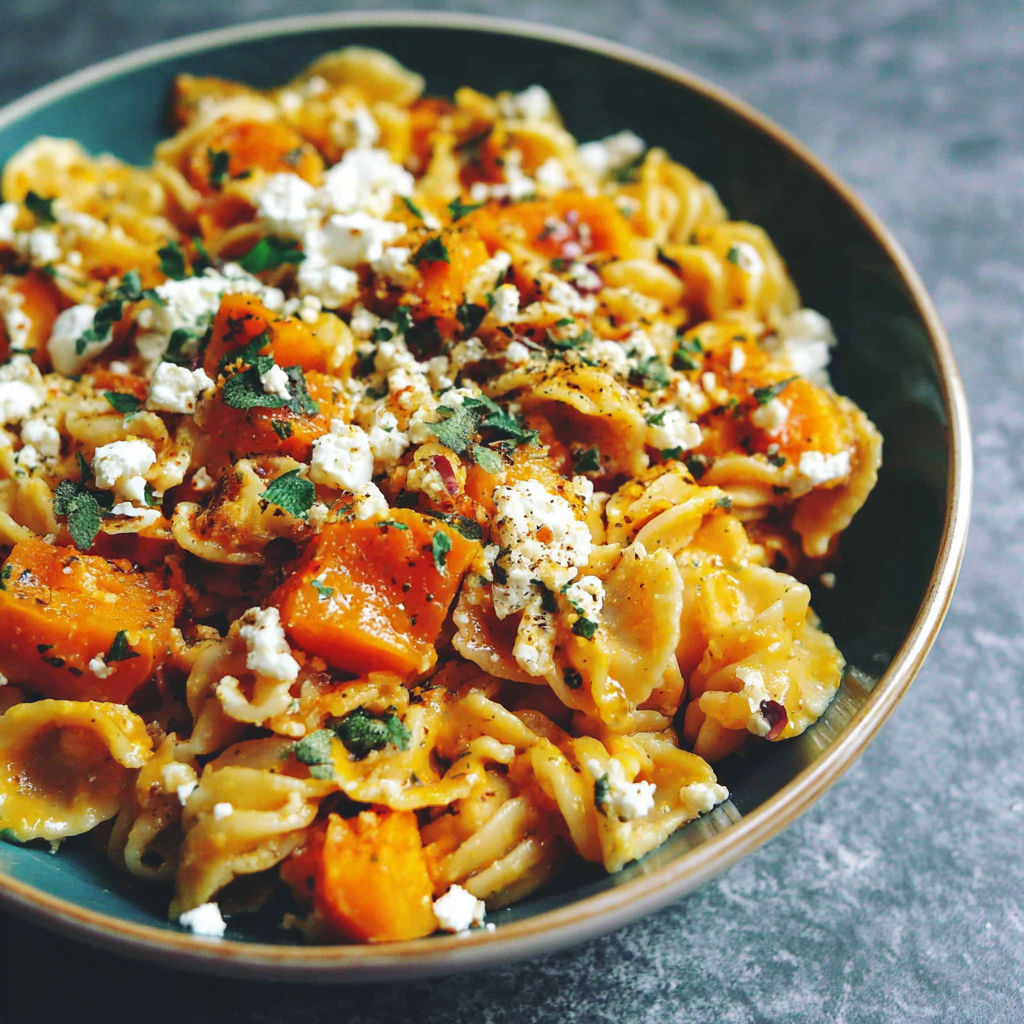
The sage in this dish always reminds me of my grandfather who grew it by the kitchen door every summer. Adding a big handful meant it was time for the house to smell like autumn. It is the ingredient that makes this pasta taste instantly nostalgic to me every time I cook it.
Storage Tips
Store leftovers in an airtight container for up to three days in the fridge. The sauce thickens as it chills but a splash of water and brief microwave will bring everything back to creamy life. This reheats like a dream for lunch.
Ingredient Substitutions
Try goat cheese if feta is too strong. Use sweet potato instead of squash for a twist. Gluten free pasta works perfectly. Chopped spinach or even kale can come in for an herbal touch if you are out of sage.
Serving Suggestions
Perfect topped with toasted walnuts or pine nuts for crunch. I love it beside a bright arugula salad or garlicky green beans. You can even garnish with more crumbled feta and extra fried sage leaves.
Cultural and Seasonal Inspiration
Baked feta pasta recipes took social media by storm and this version draws on classic Greek flavors. The earthy match of sage and squash is a cherished combination in fall cooking from Italy to the Midwest in the US. If you want it extra autumnal some roasted apples on the side are pure comfort.
Seasonal Adaptations
Swap sage for parsley in spring. Use zucchini in summer for lighter flavor. Add roasted chestnuts in late fall for richness.
Success Stories
A friend told me this is now her go to dish for neighbors with newborns because it delivers comfort without fuss. Others mentioned kids who claim to hate squash eat second helpings of this pasta every time.
Freezer Meal Conversion
You can freeze the finished pasta in tightly sealed containers up to one month. Let it thaw overnight in the fridge and reheat in a skillet with a few spoonfuls of water. The feta will be a little less creamy but flavors deepen as they meld.
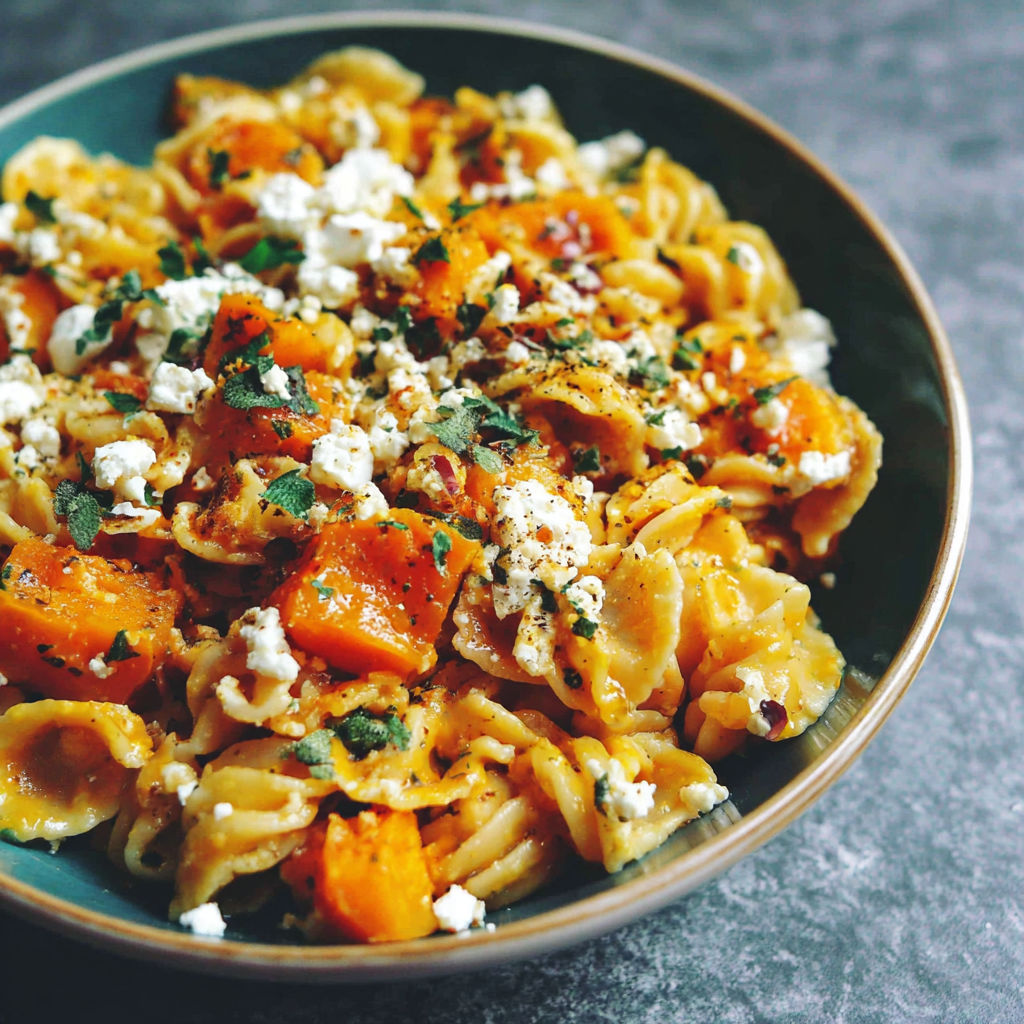
Enjoy this pasta on a cozy evening or show it off for guests—it will always bring comfort and joy. With only a few steps, it becomes a new cold-weather staple.
Common Recipe Questions
- → What type of pasta works best for this dish?
Short shapes like rotini, orzo, or ditalini are ideal as they hold the creamy sauce and chunks of squash well.
- → Can I use a different cheese instead of feta?
Yes, while feta lends a tangy kick, goat cheese or ricotta can be swapped in for a milder flavor.
- → Is hot honey essential to the flavor?
Hot honey adds a mild heat and sweetness, but regular honey or even a touch of chili flakes work nicely too.
- → What are tips for perfect roasted butternut squash?
Cut squash into even pieces, toss in olive oil and salt, and roast until caramelized without burning.
- → How do I make the dish creamier?
Gradually add reserved pasta water while stirring until the sauce reaches your desired creaminess.