
 Save
Save
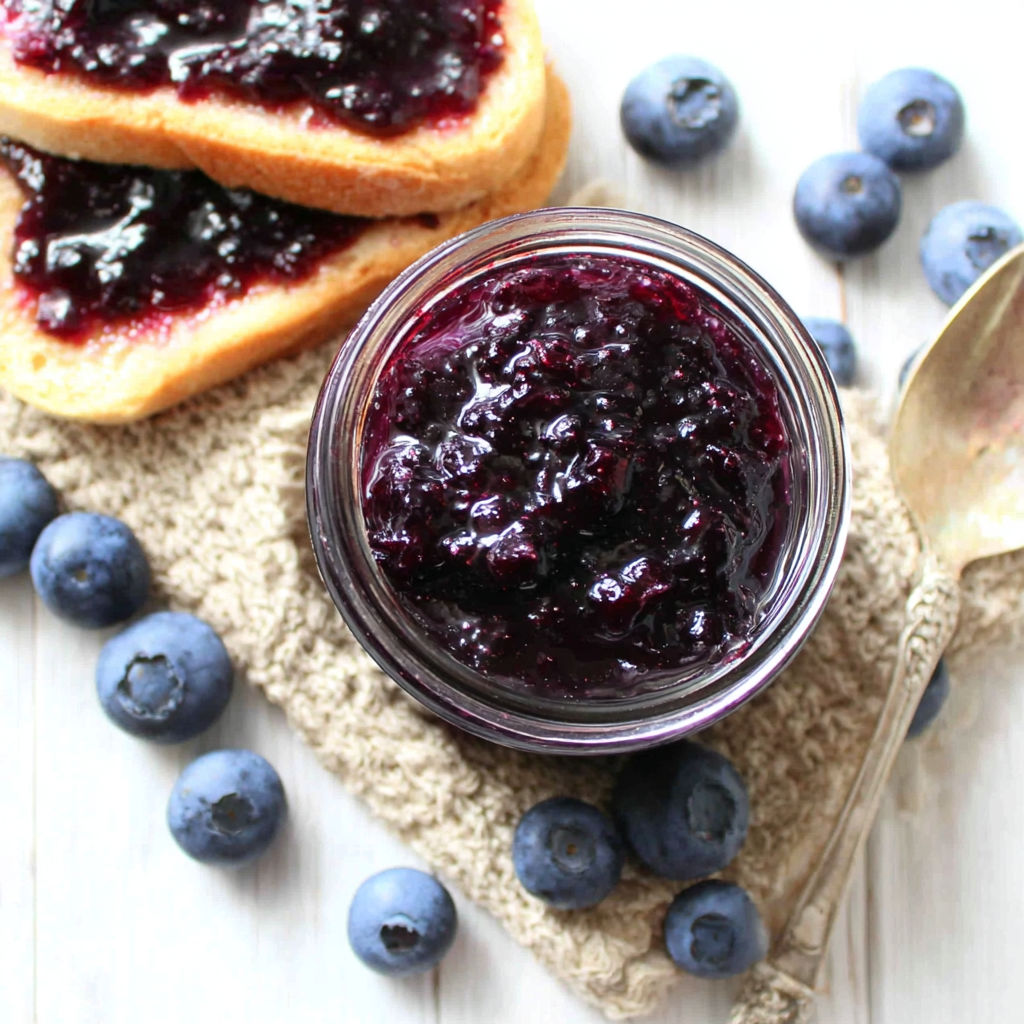
This slow-cooker blueberry&plum butter captures the essence of summer fruit in a thick and tangy spread perfect for toast, yogurt, or even as a cake filling. The process is mostly hands-off and lets you transform ripe berries and plums into jars of jewel-toned goodness with minimal effort.
I first made this blueberry&plum butter as a way to use up a bumper crop of backyard berries and now it is a staple in our house from late summer through winter. The kids love spreading it on warm biscuits and even stir it into oatmeal for an easy breakfast upgrade.
Ingredients
- Blueberries: Five pints provide brightness and a lush base. Try to pick plump berries with deep color and sweet aroma.
- Plums: Four large ones add tartness and help thicken the butter. Choose ripe but not mushy plums for best flavor.
- Organic golden cane sugar: Two cups enhances the fruit flavor and results in that jammy texture. Golden varieties add a hint of caramel and floral notes.
- Zest and juice of one organic lemon: The acid balances the sweetness and intensifies fruit flavors. Use organic for best zest.
Instructions
- Sort and Prep the Fruit:
- Spread out the blueberries on a tray and remove any stems, leaves, or debris. Wash the blueberries and plums well then drain. Slice plums in half and remove the pits. Do not peel.
- Puree the Fruit:
- Combine all the prepared fruit in a food processor or high-powered blender. Puree until completely smooth. Aim for about eight cups of blended fruit.
- Start Slow Cooking:
- Pour the fruit puree into the slow cooker and place the lid on. Turn the cooker to high. At the one-hour mark, stir well to break up any clumps. Crack the lid just a bit to allow steam to escape so the butter thickens as it cooks.
- Slow Simmer and Stir:
- Continue slow cooking for four to five hours on high or six to eight on low. Stir every hour or so to prevent scorching and ensure even reduction. Each slow cooker runs a bit differently so trust your eyes and nose for thickness and stickiness.
- Finish with Sweetener and Citrus:
- With about an hour left in cooking, add the sugar, lemon zest, and lemon juice. Stir everything well. This is when the color becomes extra vibrant and flavors develop depth.
- Prepare for Canning:
- While the fruit butter finishes, fill your canning pot with jars and bring to a boil. Boil jars for ten minutes to sterilize. Place lids and rings in a separate pan with simmering water to soften their seals.
- Test Consistency and Puree Again if Needed:
- When the mixture is as thick as ketchup, it is ready. For ultra-smooth results, use an immersion blender at this point.
- Fill and Process Jars:
- Carefully fill hot jars with butter. Wipe rims clean. Attach lids and rings. Place filled jars back in the canning pot. Bring to a boil then process for ten minutes. Remove jars carefully and allow them to cool undisturbed overnight.
- Store and Enjoy:
- Check that the lids have sealed properly. Store jars in a cool dark spot. They will keep for several months unopened and refrigerated after opening.
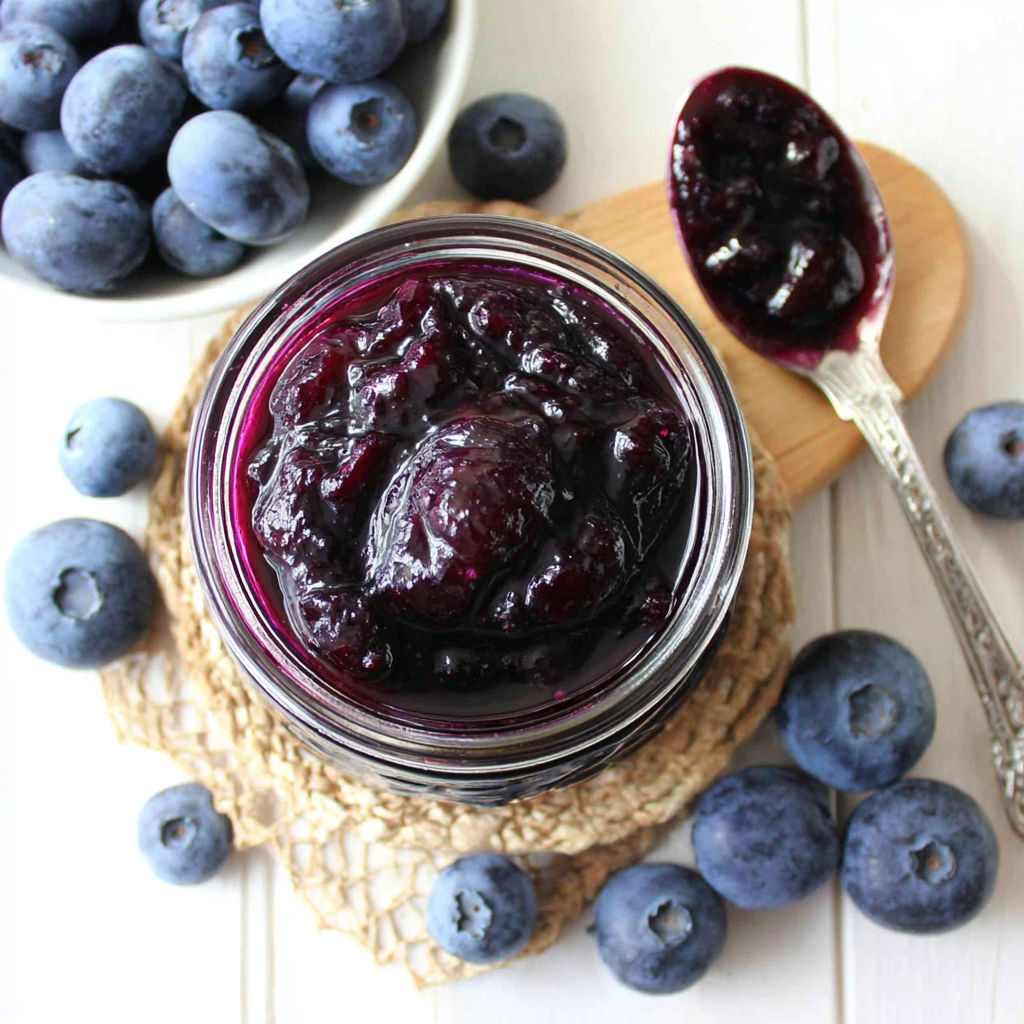
My favorite part of making fruit butter is the aroma that fills the whole kitchen especially as the lemon hits the bubbling fruit in the last hour. It reminds me of summer canning marathons with my sister when we would compete over who could make the most creative spread.
Storage Tips
Keep sealed jars in a cool dark place unopened for up to six months. Once opened, store in the refrigerator and use within three weeks. I like to keep a small jar at the front of the fridge so it gets eaten first.
Ingredient Substitutions
You can swap white sugar for golden cane sugar with little flavor difference. A splash of maple syrup also works if you want a warmer, rounder note. Any dark stone fruit can be used to replace plums for variation.
Serving Suggestions
Spread on toasted sourdough or fresh scones. Stir into oatmeal or yogurt. Swirl into cake batter before baking. My family especially likes it dolloped on top of pancakes with extra lemon zest.
Cultural and Seasonal Notes
Fruit butters are an old fashioned way to preserve and concentrate summer produce without exotic ingredients. They were pantry staples for generations of home cooks especially before widespread refrigeration. When blueberries and plums are both at peak ripeness in late July through August this is the best time to make large batches. Try making this butter as part of an end of summer canning day with friends or family.
Seasonal Adaptations
Use apricots or nectarines in place of plums for slight variation. Reduce sugar or swap in honey for a different flavor profile. Stir in a pinch of cinnamon or ground ginger toward the end for a cozy feel.
Success Stories
The first time I brought a few jars to a holiday potluck everyone asked for the recipe and several friends now make it each season. My sister and I swap versions every fall and compare notes on new fruit blends.
Freezer Meal Conversion
This butter freezes beautifully. Just ladle cooled fruit butter into freezer safe containers leaving room for expansion. Thaw overnight in the fridge before using.
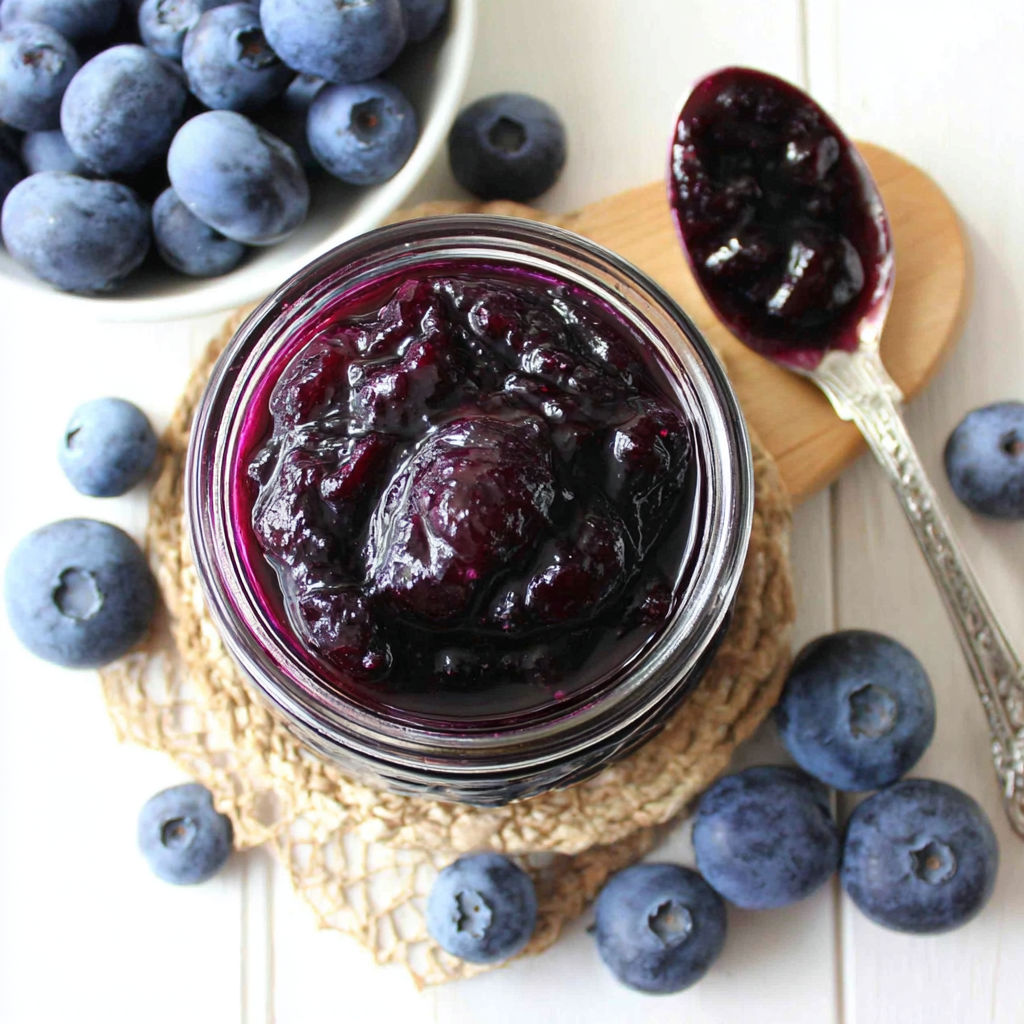
Homemade fruit butter is one of the best ways to capture summer’s sweetness in a jar. Enjoy each spoonful—your breakfast toast will thank you!
Common Recipe Questions
- → Can I use frozen fruit instead of fresh?
Yes, you can substitute frozen blueberries and plums. Be sure to thaw and drain excess liquid before pureeing for best texture.
- → How do I know the butter is thick enough?
The butter should coat the back of a spoon and resemble ketchup in consistency. Cooking time may vary depending on your slow-cooker.
- → Is it possible to use alternative sweeteners?
Golden cane sugar is recommended, but white sugar or maple syrup may be used. Adjust sweetness to taste as different sweeteners may alter flavor.
- → What is the shelf life after canning?
Properly sealed jars can be stored in a cool, dark place for up to six months. Refrigerate after opening and use within a few weeks.
- → How do I achieve an extra-smooth texture?
For ultra-smooth butter, puree once more with an immersion blender before canning. This step creates a velvety finish.
- → Can this be made without a slow-cooker?
Yes, the puree can be slowly simmered on the stovetop over low heat, but stir more frequently to prevent scorching.