
 Save
Save
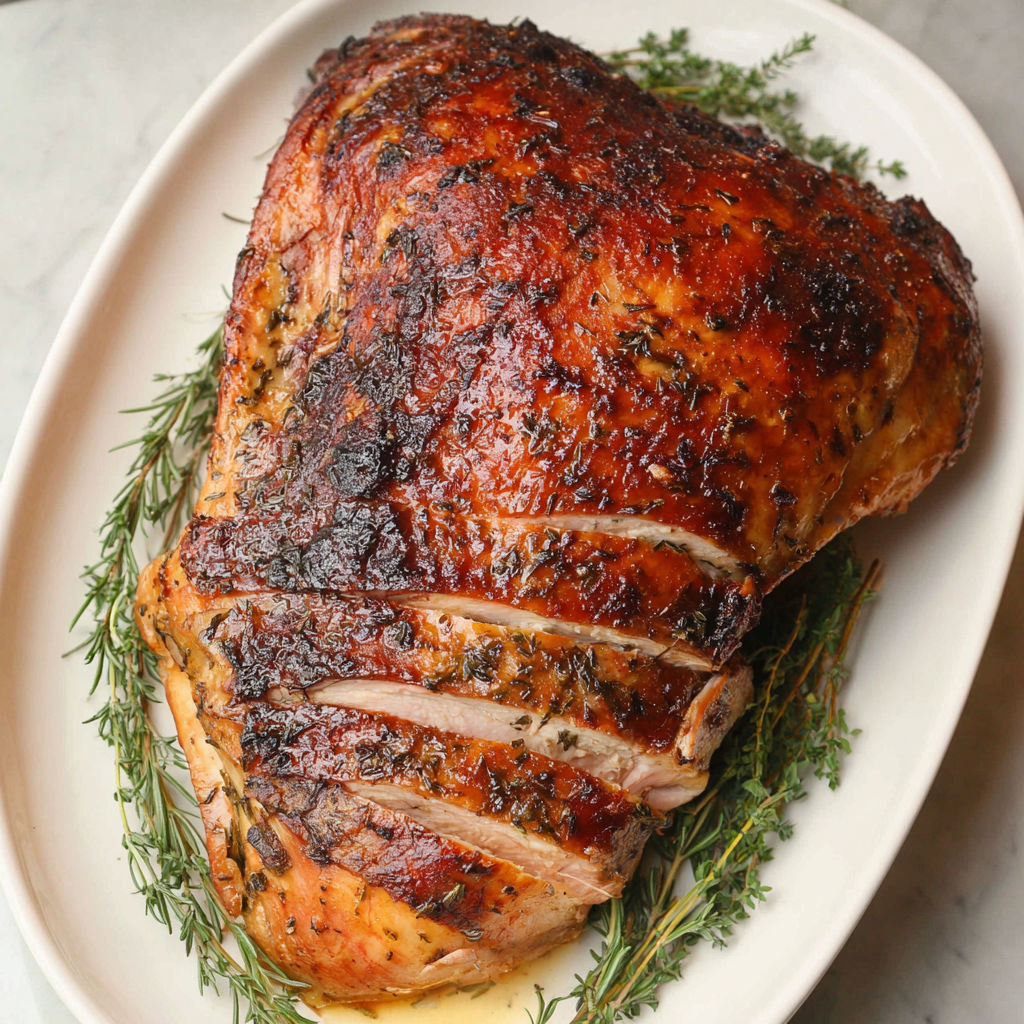
Herb buttermilk marinated turkey breast produces exceptionally juicy meat with crispy skin and a deep herbal flavor that makes it the star of any holiday table or Sunday dinner. The buttermilk marinade works its magic overnight, tenderizing the turkey and infusing it with a vibrant, aromatic blend of classic herbs. This method yields showstopping results fit for a celebration yet feels homey and approachable for cooks of any level.
I made this turkey breast for our Thanksgiving gathering when I was short on time to brine a whole bird. Everyone raved about how fragrant and flavorful it turned out I now prefer it year-round for special occasions or even simple family meals.
Ingredients
- Dried parsley: Provides fresh grassy notes and brightens the dry rub. Choose flat leaf parsley flakes for the best aroma
- Dried sage: Brings earthiness that sings with turkey. Try to find sage that still smells fragrant from the jar
- Dried rosemary: Adds signature piney woodsy flavor. Slightly crush between fingers for even more aroma release
- Dried thyme: Balances herbs with subtle lemon pepper notes. If it sticks together rub between palms
- Granulated sugar: Helps the rub brown beautifully and balances savory flavors
- Black pepper: Delivers just enough heat. Freshly cracked is best for robust flavor
- Dried oregano and dried basil: Round out the herbal base. Use good quality to keep flavors lively
- Turkey breast: Look for a meaty 6 pound breast with skin on, organic or fresh if possible
- Buttermilk: Tenderizes and carries the herbs deep into the meat. If you cannot find it use a buttermilk substitute
- Salt: Seasons every bite and helps the meat stay especially juicy. Use kosher salt for even distribution
- Red onions: Caramelize under the turkey creating sweet juices. Slice carefully so the wedges hold together
- Lemon: Brings brightness and gentle acid that balances richness. Organic is great since slices stay in the oven
- Fresh rosemary sprigs: Infuse both the turkey and the pan juices
- Olive oil: Helps crisp the skin and brings silky richness. Use extra virgin for best flavor
Instructions
- Mix and Marinate:
- Combine all marinade ingredients with the turkey breast in a large sealable plastic bag making sure the buttermilk and herbs coat the meat evenly. Press out excess air and seal. Massage the turkey through the bag and marinate in the refrigerator for 4 to 24 hours. I recommend overnight for deepest flavor
- Prepare the Baking Dish:
- Preheat your oven to 325 Fahrenheit. Arrange the red onion wedges, lemon slices, and fresh rosemary sprigs evenly in the bottom of a large deep casserole dish. Drizzle olive oil over everything. This flavorful bed steams and perfumes the turkey breast as it roasts
- Dry and Position the Turkey:
- Remove the turkey breast from the marinade then discard the marinade. Pat the turkey dry thoroughly with paper towels. This helps the skin get crispy. Position the breast skin side up on top of the onions and lemons. Try to tuck the onions under if needed so the turkey sits above the liquid
- Roast and Rotate:
- Place the casserole dish in the oven. Roast for approximately 2 to 2 and a half hours, rotating the dish every 30 minutes so the turkey cooks evenly. Start checking the temperature at 2 hours. Insert an instant read thermometer into the thickest part. For food safety and tenderness you want 165 Fahrenheit
- Rest and Carve:
- Once done, remove the turkey from the oven. Cover the casserole loosely with foil and let the turkey rest for 15 to 20 minutes. This lets juices redistribute keeping every slice juicy. Carve and serve with pan juices and soft roasted onions
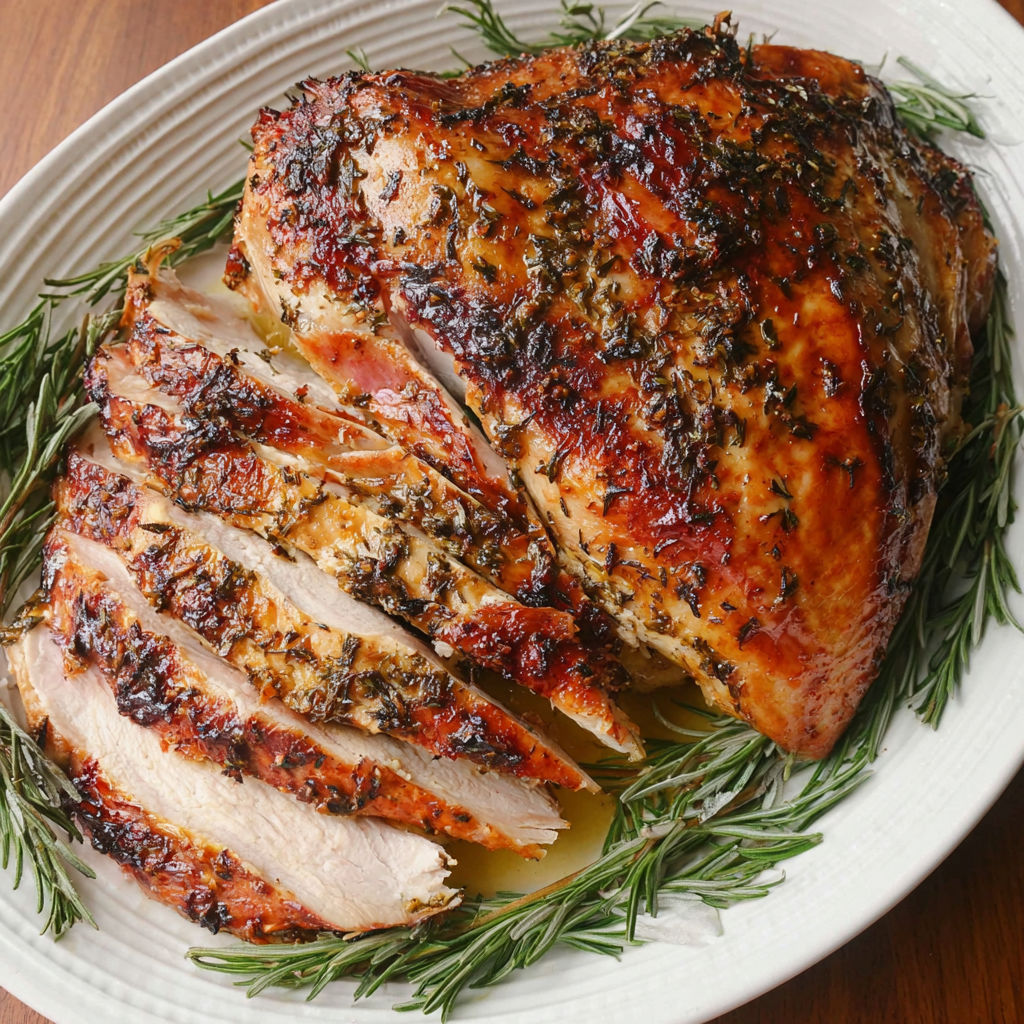
Every time I open the bag after an overnight marinade the scent of rosemary and thyme reminds me of my grandmother’s kitchen. She would always sneak a little extra sage into the mix and now my kids think that warm sage note means a family holiday is on the horizon.
Storage Tips
Leftovers will keep airtight for up to three days in the refrigerator. Sliced turkey does not dry out thanks to the marinade. To freeze let turkey cool to room temperature then wrap slices or chunks in plastic wrap and foil and store up to three months. Thaw in the fridge and reheat gently to keep it juicy. Store any pan juices or onions alongside the turkey to keep the meat moist and flavorful when serving again.
Ingredient Substitutions
No buttermilk? Use a homemade substitute with milk and lemon juice or white vinegar. If you are out of one herb double up on another that you love. Fresh herbs work too though you may need a larger amount. No turkey breast? This method also works for boneless skinless chicken breasts or even whole chickens just adjust cooking time.
Serving Suggestions
Serve the turkey alongside roasted potatoes or a tangy cranberry sauce. The pan juices and roasted onions are savory enough to drizzle over mashed potatoes or bread stuffing. Chop leftovers and turn them into stellar turkey sandwiches or add chilled turkey cubes to salads. This main dish looks beautiful on a platter with extra herbs or citrus for garnish.
Cultural and Historical Context
Buttermilk marinating comes from the tradition of using cultured dairy to tenderize poultry seen in Southern American and European country kitchens. The herb blend borrows its name from the classic Scarborough Fair and has been used on poultry for generations. Roast turkey is a symbol of generosity and holiday gatherings and this easy twist helps keep those traditions alive even in busy times.
Seasonal Adaptations
Try orange slices in place of lemon for a wintery twist. Swap oregano and basil for extra sage at Thanksgiving. Add fresh thyme sprigs to match spring and early summer flavors.
Success Stories
My friend made this for a midweek dinner party and everyone begged for the recipe. The leftovers were amazing diced and folded into a creamy turkey pot pie the next evening. During a snowy winter last year I used this method on a whole chicken and my kids agreed it was the coziest roast ever. A neighbor borrowed the spice mix for grilled tofu and said it was a game changer.
Freezer Meal Conversion
Marinate the turkey breast and freeze it raw in the bag as soon as you add the marinade. Thaw overnight in the fridge and roast as directed for a prep ahead shortcut. If you freeze cooked turkey make sure to slice before freezing for easy grab-and-go portions. Label the freezer bag with roasting instructions for your future self.
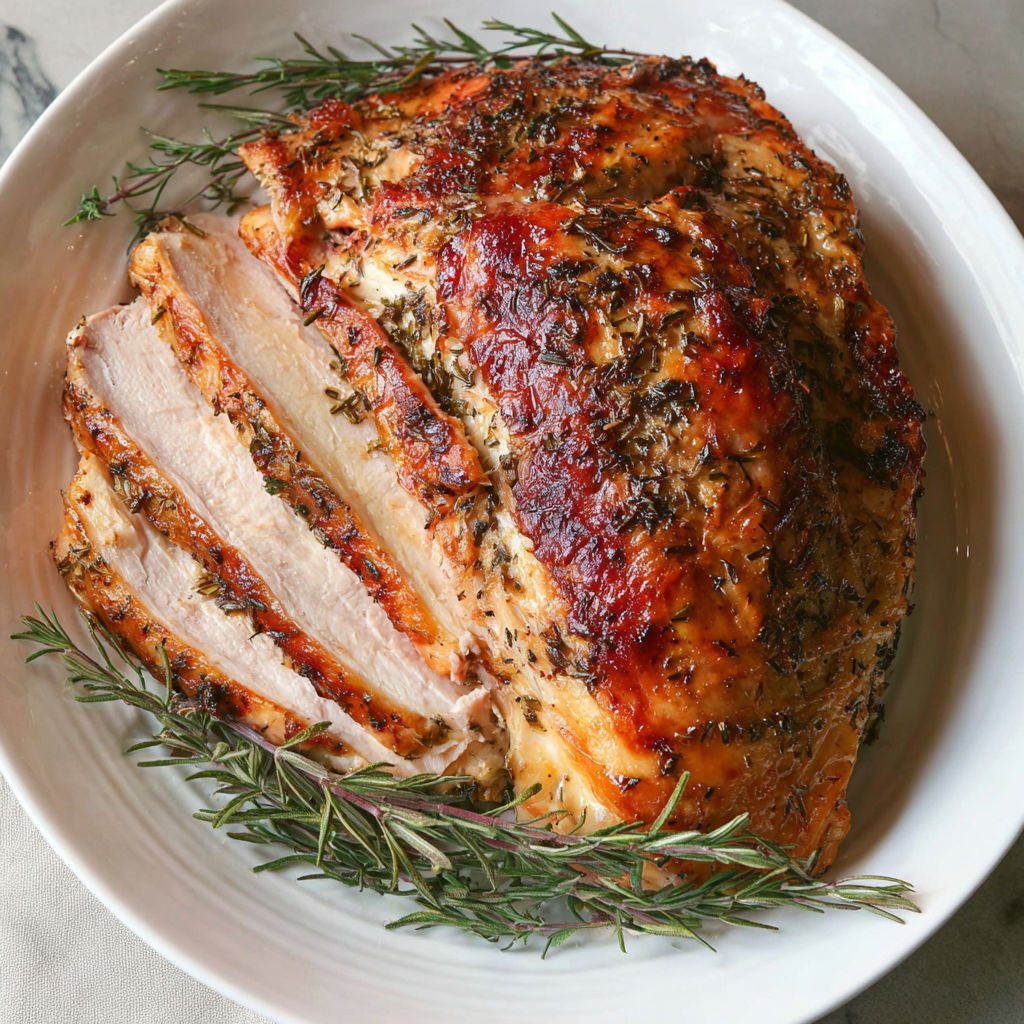
This turkey breast is a guaranteed crowd-pleaser that is easy for cooks of any experience. Make it once and you will want it at every celebration.
Common Recipe Questions
- → How long should I marinate the turkey breast?
For optimal flavor and tenderness, marinate the turkey breast for at least 4 hours, but ideally between 12 and 24 hours.
- → What does buttermilk do for the turkey?
Buttermilk helps tenderize the turkey breast while imparting a slight tang, making the meat juicier and more flavorful.
- → Can I substitute fresh herbs for the dry rub?
Yes, fresh herbs can be used. Double the quantity compared to dried herbs for a bold, aromatic finish.
- → How do I achieve crispy skin on the roasted turkey?
Pat the turkey skin dry after marinating and roast uncovered, rotating the dish every 30 minutes for even browning.
- → What temperature should the turkey breast reach when cooked?
The thickest part of the turkey should reach 165°F to ensure it is safe and properly cooked.
- → Is resting the turkey before carving necessary?
Yes, resting for 15-20 minutes allows juices to redistribute, resulting in moist and tender slices.